
Sperm Cryobanking
Men choose to bank their sperm for an increasing variety of reasons that may affect future sperm production. These broadly include undergoing surgery or medical/hormonal treatment or putting off fatherhood until later in life. Whatever your reason for cryobanking, Maze offers a full line of services to collect, freeze, and store sperm. Maze Health specializes in sperm cryobanking for patients in Westchester, New York City, Connecticut and New Jersey.
Maze’s Unique Approach
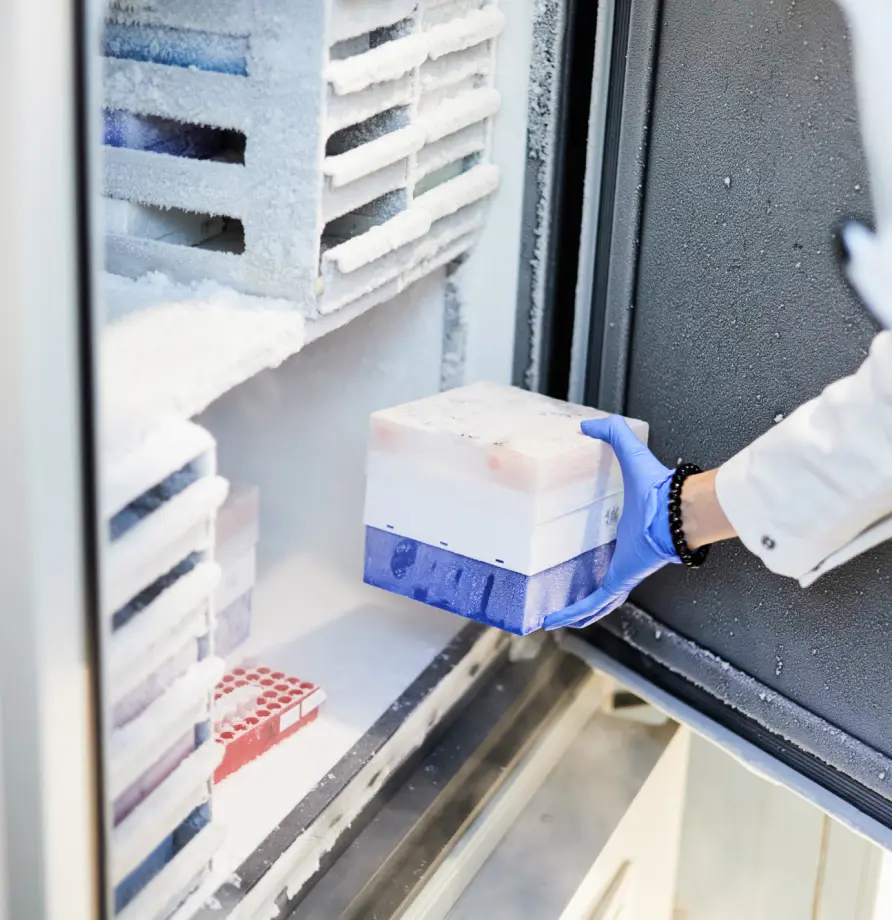
Maze Labs offers secure, physician-directed sperm banking (cryopreservation) with expert-led semen analysis and precision handling to protect your future fertility. Before freezing, we perform a thorough sperm analysis to assess quality and help determine the best strategy for collection and storage. Your specimen is prepared with a cryoprotectant, divided into clearly labeled vials with multiple unique identifiers, and frozen using protocols designed to preserve viability. After 48 hours, we thaw a sample and retest it to confirm post-thaw survival, so we can estimate how many motile sperm will be available in each vial when you’re ready to use them. Whether you’re freezing sperm before cancer treatment, surgery, or for future family planning, Maze provides medically guided fertility preservation with safety, accuracy, and clear next steps.
What is sperm banking, and why consider it?
Sperm banking (cryobanking) is the process of collecting, freezing, and storing sperm for future use. Men choose to bank for many reasons, including upcoming cancer treatments, surgery, occupational exposures, aging-related fertility concerns, or as a directed donor (when sperm will be used outside a sexually intimate partnership). With modern reproductive technology, pregnancy can be possible with very small numbers of sperm: you may only need one living sperm per egg. The earlier you take action, the more options you may preserve.
How Maze’s sperm banking process works
To support future viability, Maze first performs a thorough semen analysis prior to banking. A cryopreservative is added, and the specimen is divided into individual vials, each labeled with multiple unique identifiers. After the specimen is frozen for 48 hours, we thaw a small sample and test it again to see how well it survived freezing. This allows us to project how many moving sperm are likely to be present in each vial when thawed for treatment.
Why banking at Maze is different
Maze’s sperm bank is directed by Michael A. Werner, MD, a reproductive urologist with specialized expertise in male infertility, andrology, and male sexual dysfunction. He reviews every specimen as it comes in and supervises decisions like how to divide a specimen into vials and how many times to bank. When it’s time to use the specimen, he can collaborate with your fertility team to help determine which vials to release and the best way to use them to support pregnancy.
Specimen safety: Split storage across two facilities
In most cases, we store some vials in two completely different facilities for added protection. Most patients bank multiple vials, and for virtually all patients, some vials are stored in our Westchester office and the rest in our NYC office. While tank issues are rare, split storage creates an extra safety net in the event of an unforeseen issue affecting a single tank or location.
Tank monitoring: 24/7/365 protection
Continuous tank monitoring is a major factor when choosing a sperm bank. At Maze, tanks are monitored 24/7/365, and also checked manually on a frequent basis. If temperature or liquid nitrogen levels change, alarms trigger immediate notifications to the on-call lab technician or physician. The alarm system includes battery backup and generator backup, built for reliability. We encourage patients to ask any sperm bank exactly how tank monitoring and backup systems work.
Location & convenience (Westchester and NYC)
Maze Labs has two locations for accessibility: one in Westchester County near major highways (I-95, I-287, and the Hutchinson River Parkway), and a second in New York City at 633 3rd Avenue (between East 40th and 41st Streets, near Grand Central). We offer early morning and evening hours Monday to Friday, and we work to accommodate situations where multiple specimens must be banked quickly before treatment begins.
When Sperm Banking Makes Sense
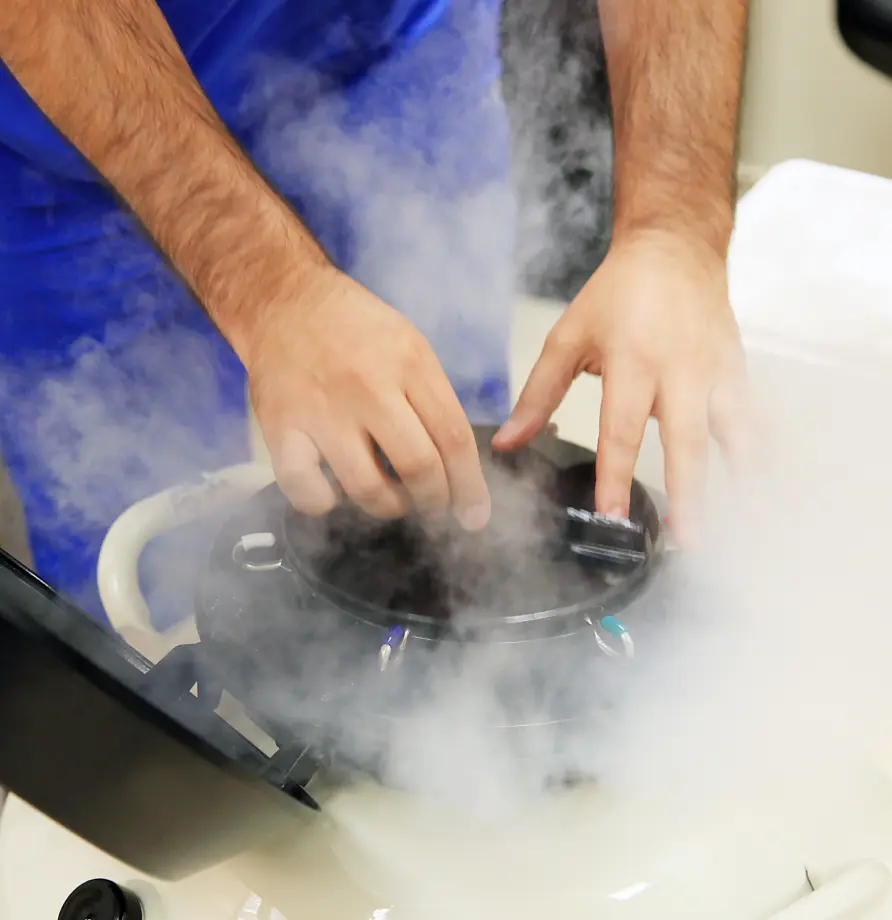
Who should consider banking sperm?
Cancer treatments (chemotherapy, radiation, surgery)
Chemotherapy and radiation can significantly reduce sperm production and may permanently damage fertility in some men. Others recover sperm production after treatment, sometimes at lower levels than before. In addition, chemotherapy/radiation can affect sperm genetics during treatment and for up to 12 months afterward, increasing the risk of abnormal outcomes, so banking before treatment is recommended if fertility may be desired within the next year. We can often bank urgently for hospitalized patients and adolescents, and we work closely with cancer centers, including Memorial Sloan Kettering.
Medications that may harm sperm
Some medications can lower sperm production and may increase the risk of abnormal outcomes while taking them and for 6–12 months after discontinuation. If you’re prescribed a medication with known fertility impact, banking beforehand can preserve options. (Many practices also share a medication list/table with patients when relevant.)
Men considering or receiving testosterone treatment (TRT)
External testosterone can shut down the testes’ internal testosterone production needed for sperm production, which can dramatically reduce or eliminate sperm in the ejaculate. Because many men feel substantially better on TRT and may not want to stop, it’s often wise to bank before starting TRT if future children are a possibility. Sperm production frequently returns after stopping TRT, but recovery is not guaranteed, especially if baseline sperm production was already low. Alternatives like SERMs or hCG may preserve sperm production, though some men report feeling best on TRT.
Trans women considering or on hormonal therapy
Gender-affirming hormonal therapy almost always suppresses sperm production, so banking before starting hormones is typically ideal. We have extensive experience providing sensitive, supportive fertility preservation for trans women, including adolescents (when biologically able). Even if hormonal therapy has already begun, if testes remain in place, there may still be possibilities to find sperm.
Trans women after starting hormones: ESSM (advanced sperm finding techniques)
Maze has pioneered Extended Sperm Search & Microfreeze (ESSM) in the US, which can help locate very low levels of sperm in ejaculate or testicular tissue. We have found sperm even after long durations of hormone therapy in select cases, sometimes after pausing hormones. If you did not bank prior to transition, there may still be options to explore.
Surgery that can affect ejaculation (pelvic/rectal/prostate procedures)
Surgeries in the pelvis or rectal area (for cancer or other conditions like diverticulitis) can damage nerves involved in ejaculation. Some men cannot ejaculate afterward; others experience retrograde ejaculation (sperm travel backward into the bladder). If surgery is planned or ejaculation is becoming inconsistent, banking beforehand can protect fertility.
Ejaculatory issues from medical conditions or medications
To conceive, sperm must be emitted into the urethra and then ejaculated forward out of the body — both steps require intact nerve function. Conditions such as diabetes, multiple sclerosis, Parkinson’s disease, spinal cord stenosis/injury, or progressive nerve issues can interfere with ejaculation; banking while ejaculation is still reliable can be prudent. Certain medications, especially SSRIs/SNRIs, can also raise the threshold for ejaculation; if ejaculation becomes erratic, banking can be done when you’re able to produce a specimen.
Pre-vasectomy fertility preservation
A vasectomy should be considered permanent, but life circumstances change (change of heart, new partner, unexpected loss). Banking sperm before vasectomy can preserve the option to have children later without needing reversal surgery or sperm retrieval procedures. If sperm quality is strong, insemination may be possible; otherwise, IVF may be recommended. Banking can often be completed quickly, sometimes within a week.
Delayed fatherhood (advanced paternal age planning)
Men are becoming fathers later than previous decades, and paternal age is associated with lower conception rates and increased risks for certain adverse outcomes. Because sperm stem cells replicate continuously over a man’s lifetime, more copying events can increase the chance of mutations over time. For men delaying conception for years, banking earlier can “pause” sperm at the age frozen. If a man is around 35+ and expects to wait five or more years before trying to conceive, banking may be worth considering.
Very low sperm counts that may decline to zero
Sperm production often declines with time, and men with very low motile sperm can progress to having no sperm in the ejaculate. Even short-term variability can be a major issue; there may be sperm in one sample and none on the day of IVF egg retrieval. Frozen sperm can serve as a crucial backup. Maze can process and freeze extremely low levels using ESSM, including microfreezing in small volumes to make sperm easier to locate later and to support strong post-thaw survival.
Before advanced reproductive procedures (IUI/IVF)
Occupational hazards (heat, toxins, radiation)
Surgical sperm retrieval (SSR)
Sometimes, sperm must be retrieved from the testicle, epididymis, or vas deferens due to obstruction or extremely low sperm numbers. Retrieved sperm are typically used with IVF + ICSI because they are limited in number and often have reduced forward movement. Sperm may be retrieved and frozen in advance or retrieved fresh the day of egg retrieval; extra retrieved sperm can often be cryopreserved to avoid repeat procedures. Maze can search for sperm in surgically retrieved specimens and freeze extras using ESSM when appropriate.
Klinefelter’s syndrome
Men with Klinefelter’s syndrome may have very low sperm counts or no sperm in the ejaculate. In some cases, sperm production peaks early and declines after adolescence. If sperm are ever found, immediate banking is recommended. Maze often uses ESSM to identify and cryopreserve very low levels when present.
Can I bank sperm if I have hepatitis?
Yes. Maze can bank sperm for men with infectious diseases using strict safety protocols. Specimens from men with hepatitis B or hepatitis C are stored in separate, dedicated tanks reserved only for that infection and are never mixed with specimens from men without that infection
Process of Sperm Banking
At Maze Labs, the sperm banking (cryopreservation) process is simple, efficient, and designed to protect your future fertility with minimal appointments.

Your first visit includes a review of medical history, required paperwork, and collection of a specimen, followed by a comprehensive semen analysis to determine sperm quality and whether the sample is ready to freeze. If appropriate, we add a cryoprotectant, divide the specimen into labeled vials, and use controlled freezing before long-term storage in liquid nitrogen, helping preserve motile sperm for future use. We also perform a post-freeze “test thaw” to evaluate survival and project how each vial may perform when needed for IUI, IVF, or ICSI. Whether you’re banking before medical treatment, surgery, or planned fertility care, Maze makes fertility preservation for men clear, secure, and actionable.
Scheduling
Why Maze doesn’t require a separate “test freeze” visit
Some cryobanks require an initial test freeze and a second appointment before official banking. In our lab, we perform a full analysis on the first specimen (using only a small portion of the sample). If it’s adequate for cryopreservation, we proceed with processing and freezing that same specimen — because time windows before treatment can be short, and we don’t want to waste an opportunity to bank.
Collecting your specimen (home or in-lab)
You may collect at home or at the lab. If you collect at the lab, you’ll have a private room and (if desired) visual materials may be available. If you collect at home, you’ll receive clear instructions. Ideally, a home-collected specimen arrives at the lab within 60 minutes, but many sperm remain alive for hours. So, if transport takes longer, don’t assume the specimen is useless. Even if you’re hospitalized and more than an hour away, banking may still be possible — ask when arranging your appointment.
How sperm is frozen (cryopreservation step by step)
Sperm are stored at extremely cold temperatures (-196°F), but to reduce damage, freezing must be gradual. The typical process includes:
- A comprehensive semen analysis on the first specimen to assess quantity/quality and guide future use.
- Each subsequent specimen is analyzed before freezing (concentration, motility, forward progression, semen quality, total moving sperm).
- A cryoprotectant is added before freezing to help sperm survive freezing and thawing.
- The specimen is divided into separate vials (each vial holds up to 2 cc; 1 teaspoon = 5 cc).
- A small “test vial” (often 0.2 cc or less) is created for post-thaw assessment.
- Vials are gradually frozen, then transferred into liquid nitrogen tanks for permanent storage.
- After at least 24 hours, the test vial is thawed and re-tested to evaluate post-thaw survival (how many sperm, percent moving, quality of movement). These results help project what each stored vial is likely to provide in the future.
How sperm is stored (labeling, tracking, safety)
Each vial is assigned a unique accession number and labeled with multiple identifiers, including:
- Patient’s full name
- Banking date
- Maze Laboratories
- Accession number
- Date of birth
- Last four digits of Social Security number
Vials remain in temporary storage until banking is complete and bloodwork confirms negative infectious disease testing; then they move to permanent storage tanks. Within tanks, vials are stored in numbered racks/slots, and each vial’s exact location is recorded and saved in multiple places for accurate retrieval.
One tank vs. two tanks (Maze safety model)
At Maze, we store almost all patients’ specimens in two different tanks in two different locations for added protection. While tank issues are extremely rare, split storage adds an extra layer of security in the event of a tank- or location-specific problem.
Tank monitoring (how we protect your specimens 24/7)
How your specimens may be used (IUI vs. IVF/ICSI)
Frozen sperm are typically used through a fertility specialist (OB/GYN and often a reproductive endocrinologist). There are two primary pathways:
- IUI (intrauterine insemination): Sperm are thawed, washed/processed, then placed into the uterus. IUI typically requires higher post-thaw motile counts because many sperm are lost in transit and multiple sperm must bind to the egg. IUI is usually not recommended unless post-thaw motile sperm are around 5–10 million; vials can sometimes be pooled to reach that number.
- IVF/ICSI: Eggs are retrieved and fertilized in a lab. With ICSI, a single moving sperm is injected into each egg, meaning extremely low sperm counts can still be workable. This is why sperm banking remains valuable even with very low numbers.
How many specimens/vials should you bank?
This depends on: (1) expected post-thaw motile sperm per vial, (2) how much time you have before treatment, and (3) partner/family-building plan (current partner, future partner, surrogacy, donor egg, etc.). A major advantage of Maze Cryobank is that Michael Werner, MD, reviews banking results as they occur and helps guide real-time decisions about how many vials to create from each specimen and how many collections make sense. In cases of extremely low counts, we may recommend Extended Sperm Search & Microfreeze (ESSM) to maximize the chance of finding usable sperm.
How to release or ship your sperm when you’re ready
How long can sperm stay frozen?
Pregnancies have been achieved with sperm frozen for up to 21 years, and there’s no indication longer storage can’t also be effective. Plan to store as long as you may need the option, often 10–20 years for younger patients or those unsure of timing. In lower-risk situations (where infertility risk is minimal), some patients bank for 1–2 years and then decide whether to continue based on post-treatment semen testing.
When to recheck sperm production after treatment
Recovery varies by treatment type. In general, waiting at least one year after treatment for a follow-up semen analysis is often recommended. If the one-year post-treatment test is worse than banked specimens, many patients keep banked sperm and recheck again in another year. The longer it has been without any return of sperm, the less likely spontaneous recovery becomes, so preserving banked sperm can provide long-term security.
Directed Donor Sperm
Sometimes, the sperm of a man who is not a woman’s sexual partner is wanted to initiate a pregnancy. In this case, the conception will not be achieved through intercourse. However, legally, a physician cannot be involved in the transfer of fresh sperm from a man who is not the sexually intimate partner of a woman.
In New York State, the license and process for banking directed donor sperm is the same as it is for anonymous sperm donation. Maze Cryobank has this license and does sperm banking for directed donors on a regular basis. Learn more about our Directed Donor services.

About Dr. Werner and Maze
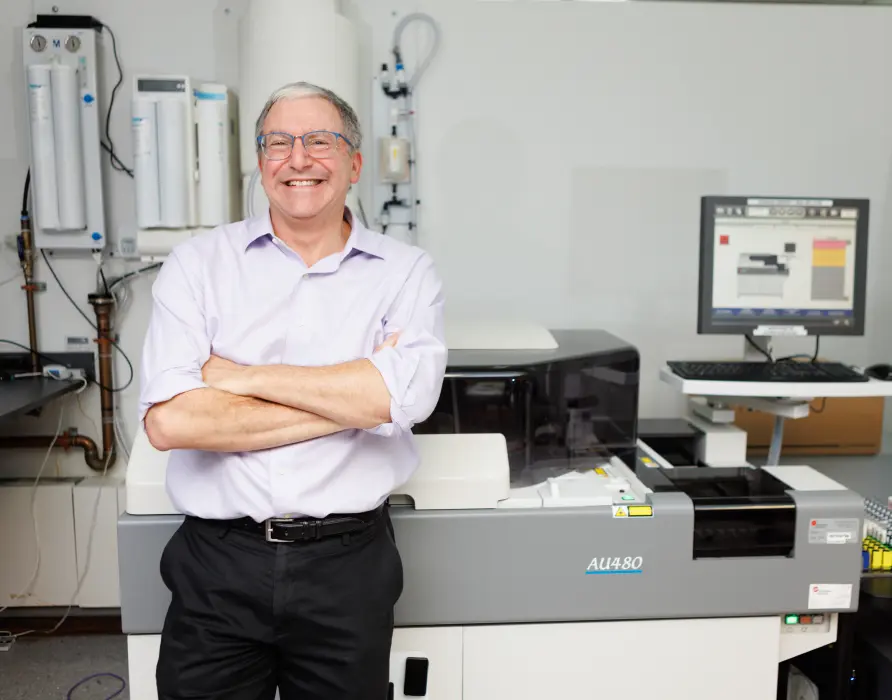
About Dr. Werner
With over 25 years in clinical practice, Dr. Michael Werner is a board-certified urologist specializing in sexual and reproductive medicine. His work is defined by thoughtful care, advanced treatment strategies, and a long-standing commitment to helping patients achieve better health and quality of life.
About Maze
Maze Sexual & Reproductive Health is a specialized medical practice dedicated to men’s health, women’s health, sexual medicine, and fertility care. Our approach emphasizes personalized care, clinical excellence, and innovative solutions that help patients feel informed, supported, and empowered.
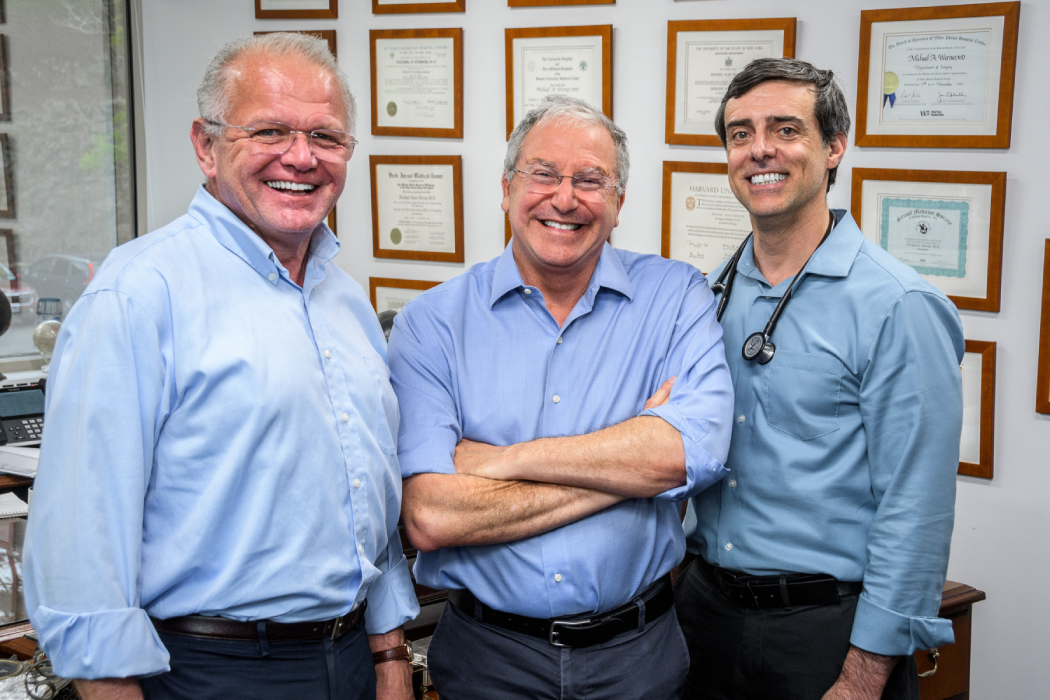

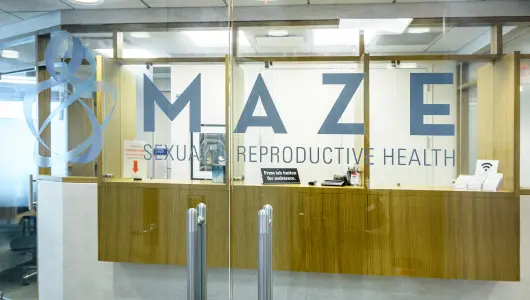
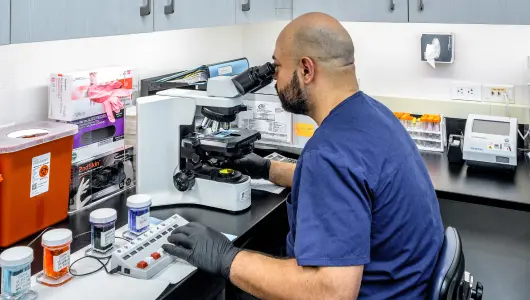
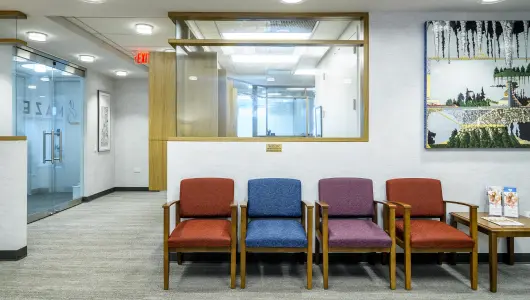


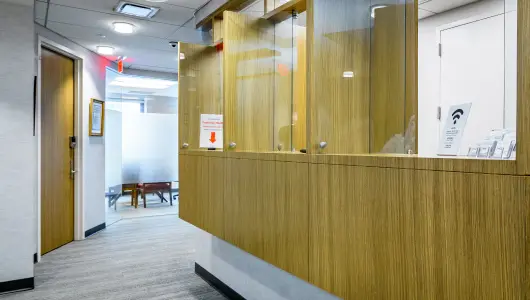

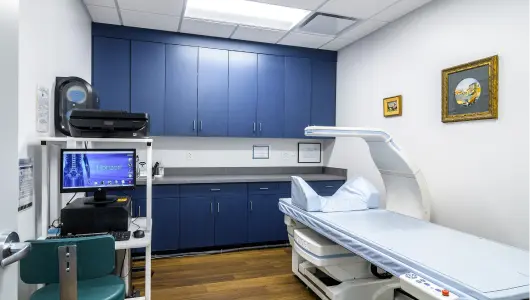
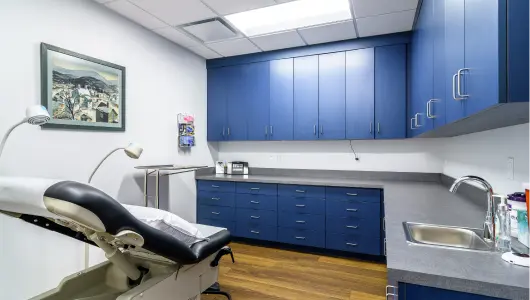
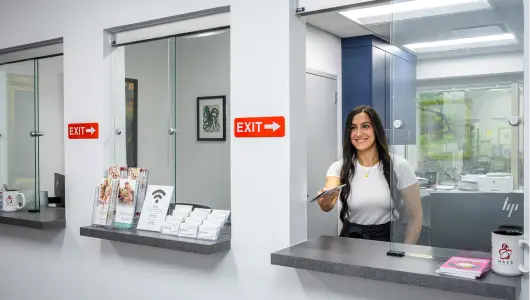

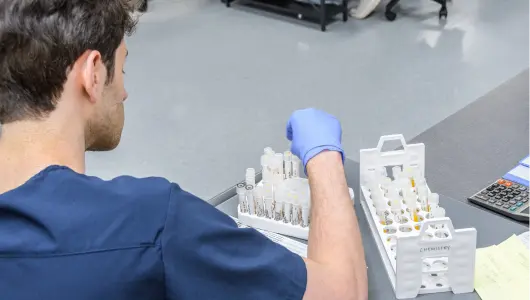
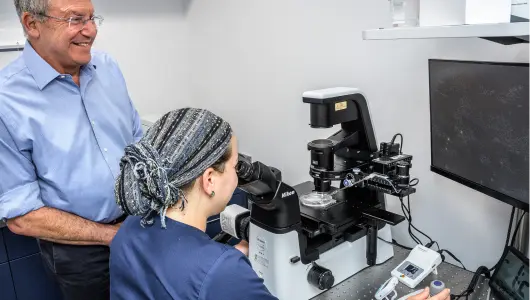
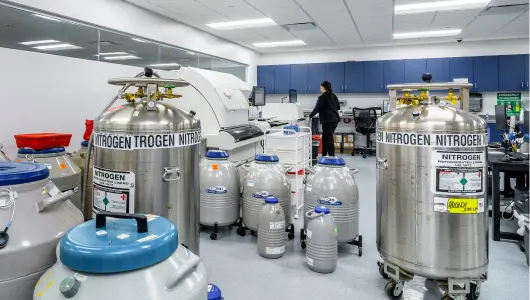
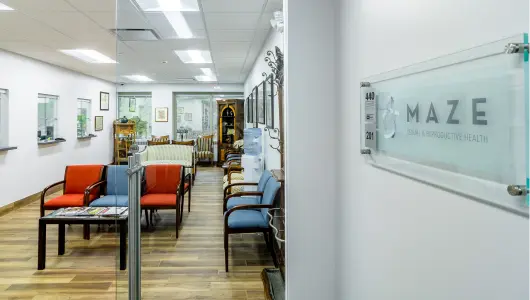
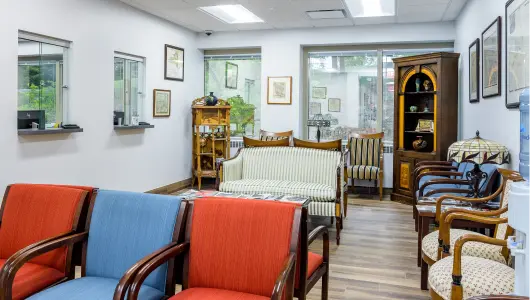
Maze facility
Maze’s modern facilities in Westchester, NY, and New York City are designed to provide expert care in a comfortable, private setting. Our on-site diagnostics, advanced therapies, and coordinated care allow patients to receive comprehensive services in one location.
Areas served
Serving Westchester County, New York City, Connecticut, and New Jersey, Maze supports patients locally and from out of state. Many seek our care for specialized expertise, with flexible options that include both in-person appointments and telemedicine consultations.

Patient Stories
Free consultation
I originally gave their NYC offices 1 star but after I posted that review, Dr. Werner called me, apologized and then spent almost an hour on the phone with me finding out in detail what my issues were with the clinic and my experience. At the end of our call he asked me to come in for a free consultation where
a) he showed me all the improvements they’d made; and
b) he discussed all the options I had.
Again, he promised to follow up in a month…and he did. So while I wish the entire experience had been excellent, his willingness to address the issues makes me willing to upgrade my review to 3 stars.
S.L, NY, Age 48
Well Organized
Everything was well organized, result was ready on time…and I think that the online service also helped save time.
K.A, CT, Age 43
This Is The Best Place To Go!
This is the best place to go! The staff is very nice. The price is also very affordable. Five stars!
K.Z, NY, Age 32
My experience with Dr. Werner and the entire staff was EXCELLENT!!
Everyone was very knowledgeable without making you feel intimidated. They took the time to explain everything and made sure that what we discussed was understood, they made sure I was comfortable with the testing, procedures and the treatment we decided on. I say we because they don’t force any one option, they make sure you are informed and educated about all options to best help you. The office staff are always friendly and helpful. Maze laboratories definitely makes an awkward, stressful and overwhelming situation much easier to talk about and understand.