
Sperm Banking
Directed Donor Sperm Banking
A directed donor is a man who provides sperm to a woman who is not his sexual partner in order to initiate a pregnancy. Whether a couple requires donor sperm, because the man can’t produce his own, or an LGBTQ couple wants to use sperm from a known individual, a regulated protocol must be used.
Directed Donor Sperm
Maze Cryobank provides a compliant, medically supervised process for using a known (directed) sperm donor when the donor is not the recipient’s sexually intimate partner and pregnancy will be achieved through IUI or IVF rather than intercourse.
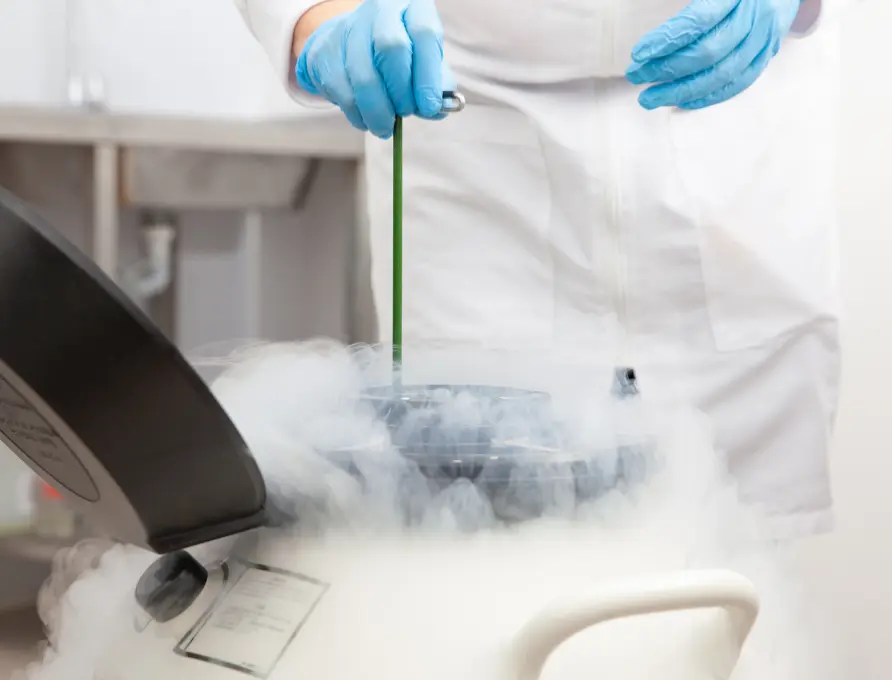
In many states, including New York, clinics must follow strict requirements for directed donor sperm. These include donor medical screening, STI testing, and often a six-month quarantine with repeat testing to protect the recipient and future pregnancy. While “self-insemination” with fresh sperm may occur outside medical settings, physicians typically cannot be involved in transferring fresh sperm from a non-partner donor due to legal and regulatory rules. Maze Cryobank is licensed in New York State to bank directed donor sperm under the same standards used for anonymous donation. We help coordinate the directed donor pathway so your fertility team can proceed safely, legally, and without avoidable delays.
Why a known donor is used
What about “self-insemination” with fresh sperm?
Why directed donor sperm requires screening and quarantine
For sperm to be legally used through many fertility programs, directed donors typically must complete:
- A physical exam and medical history
- Screening for certain genetic diseases
- Sexually transmitted infection (STI) testing
If screening is acceptable, sperm is frozen and held in quarantine for a minimum of six months, and the donor is then retested for STIs. This quarantine-and-retest step helps ensure the donor did not have an infection at the time of donation that wasn’t yet detectable, reducing risk to the recipient and the fetus.
Directed donor sperm banking in New York State
In New York State, the licensing and process for banking directed donor sperm is the same as for anonymous sperm donation. Maze Cryobank holds the required license and regularly supports directed donor sperm banking for patients and fertility teams.
Who Should Bank Sperm via Directed Donor
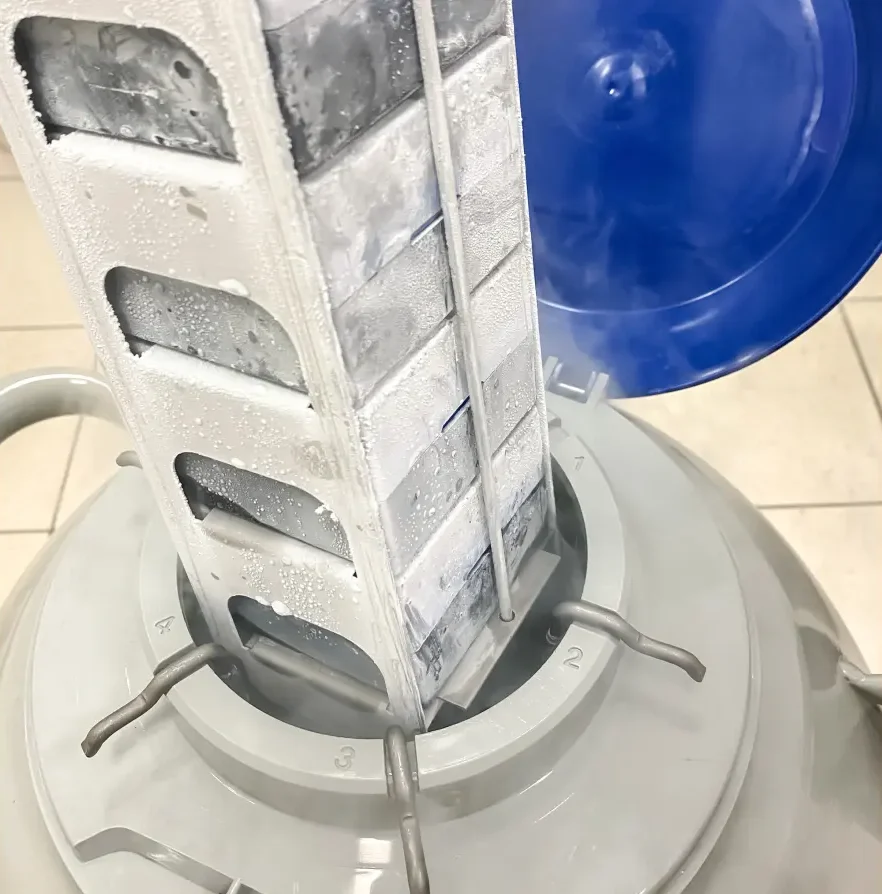
Maze Labs supports designated donor sperm banking for individuals and couples who need a known sperm donor for family building through IUI, IVF, and surrogacy. Designated donor sperm is commonly used when a male partner produces no sperm, when a lesbian couple or individual chooses a known donor, or when gay men pursue parenthood through IVF with donor eggs and a gestational surrogate. Because donor sperm may be used with someone who is not the donor’s sexually intimate partner, designated donor protocols often include additional screening and timing requirements to help reduce STI transmission risk and meet clinic or program standards. Surrogacy rules and clinic requirements can vary by state and country, and they continue to change, so having a structured designated donor process can help prevent delays. Maze Labs helps coordinate the designated donor banking pathway so your fertility team can proceed with confidence and compliance.
When designated donor sperm may be needed
1) No sperm production (azoospermia) + a known donor is selected
If a man produces no sperm, a known donor may be chosen to help achieve pregnancy. Depending on sperm quality and other fertility factors, conception may be attempted with IUI, though in some cases IVF is recommended.
2) Lesbian couples or individuals using a known donor
Some lesbian couples or individuals choose a known man to be the biological father of their child/children. In these cases, sperm is typically banked and then used through a fertility provider via IUI or IVF, depending on clinical needs and sperm parameters.
3) Gay men pursuing surrogacy (often IVF + donor eggs)
Gay men often pursue parenthood through gestational surrogacy, typically using donor eggs. The eggs are fertilized through IVF, and embryos are transferred into a gestational carrier who is different from the egg donor. Because embryos created with the donor’s sperm are transferred to a surrogate who is not the donor’s sexually intimate partner, some programs require sperm to be banked under designated donor protocols to reduce theoretical STI risk and meet program standards. Surrogacy requirements vary widely by state/country and are rapidly evolving, so designated donor banking can be the safest route to avoid last-minute compliance issues, even if some programs may ultimately accept standard banking in certain situations.
Directed Donor Process: Testing, Quarantine & Release
Directed donor sperm banking at Maze Cryobank follows a structured, clinic-ready process designed to meet New York State requirements for using a known sperm donor with IUI, IVF, or surrogacy.
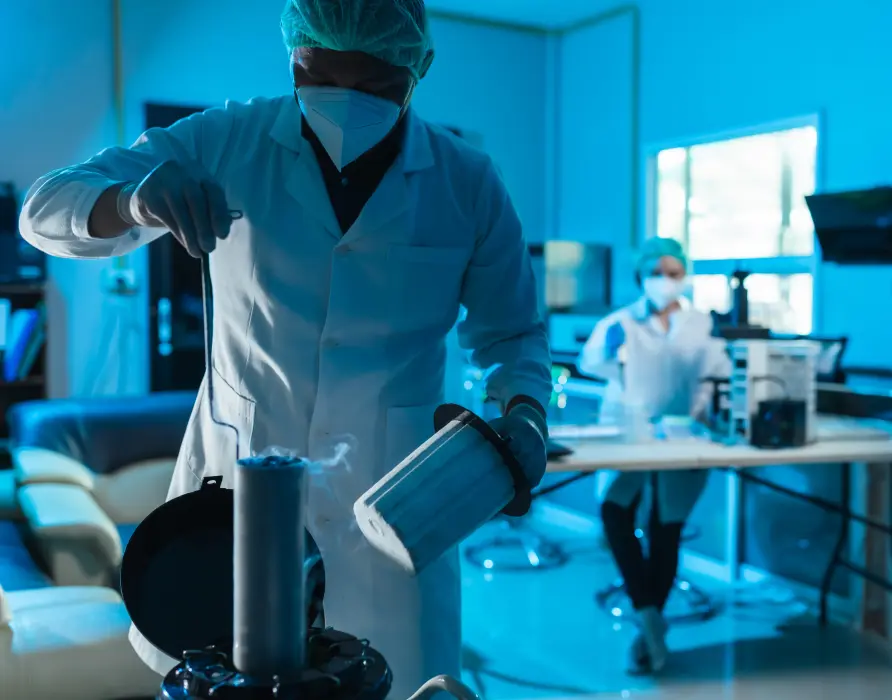
The pathway includes a signed directed donor contract, a required physical exam, genetic testing, and infectious disease screening performed at the start of banking. To minimize repeat testing and maximize the number of banked specimens, all collections must occur within one week of the initial infectious disease testing, and donors are typically encouraged to bank frequently during that seven-day window. After processing and freezing, specimens are held in quarantine for a minimum of six months and the donor is retested for STIs before release. In some cases, a fertility specialist may request an early release waiver, but long-term storage rules still require follow-up infectious disease testing after the final banking.
Step 1: Contracts and consent
Step 2: Physical exam
Step 3: Genetic testing
Step 4: Infectious disease testing + timing window
Infectious disease studies (STI testing) are performed on the day of the donor’s first banking. All specimens must be produced no more than one week after this testing. To maximize the number of specimens banked while minimizing repeat testing, donors are typically encouraged to bank frequently during the seven days following the first banking.
Step 5: Collection, processing, freezing, and quarantine
Specimens are collected and processed similarly to standard sperm cryobanking. The key difference is that directed donor sperm is then placed into quarantine for a minimum of six months, and the donor must be retested for sexually transmitted infections before sperm can be released for use.
Early release waiver (when clinically necessary)
An individual or couple, working with their female infertility specialist, can request a waiver of the six-month quarantine and ask for early release, which can often be done legally. However, any remaining sperm vials cannot be maintained in long-term storage unless the donor completes repeat infectious disease testing at least six months after the last banking.
About Dr. Werner and Maze
About Dr. Werner
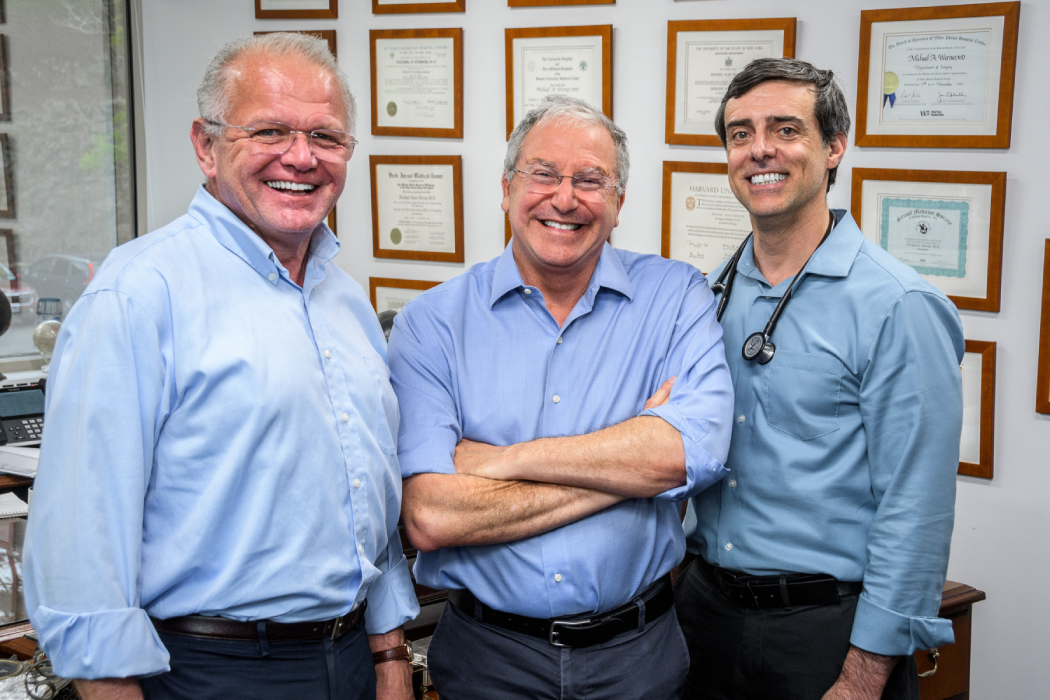
With over 25 years in clinical practice, Dr. Michael Werner is a board-certified urologist specializing in sexual and reproductive medicine. His work is defined by thoughtful care, advanced treatment strategies, and a long-standing commitment to helping patients achieve better health and quality of life.
About Maze
Maze Sexual & Reproductive Health is a specialized medical practice dedicated to men’s health, women’s health, sexual medicine, and fertility care. Our approach emphasizes personalized care, clinical excellence, and innovative solutions that help patients feel informed, supported, and empowered.

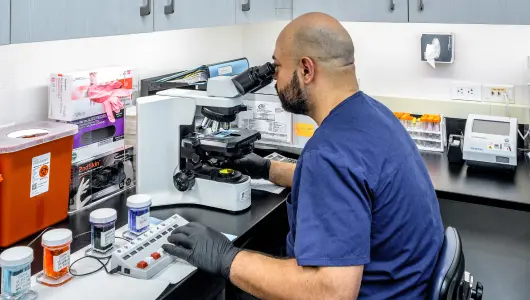
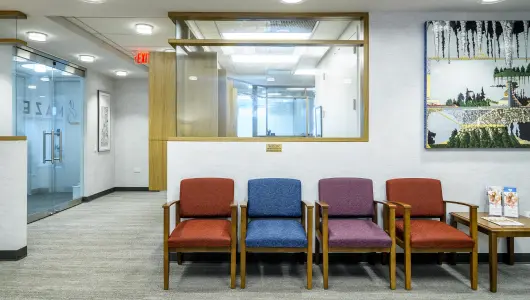


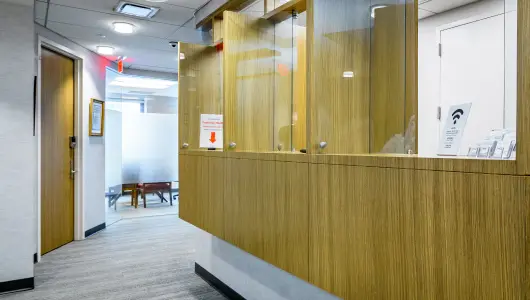

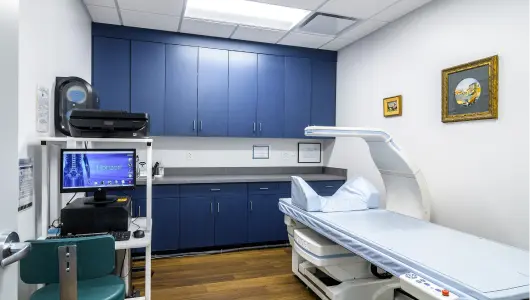
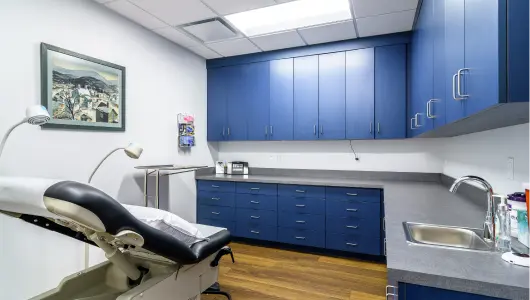
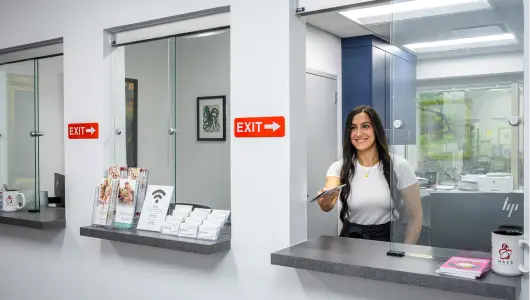

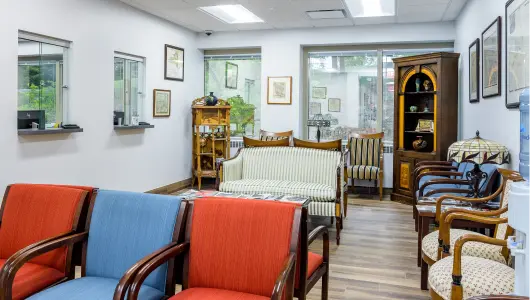
Maze facility
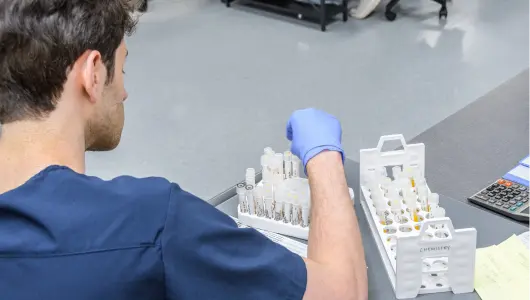
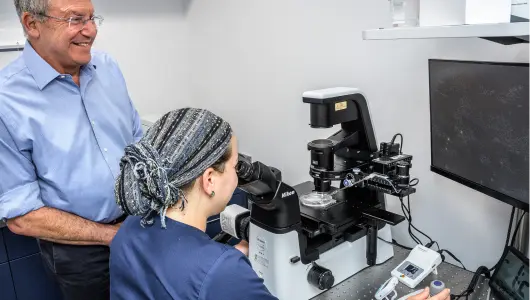
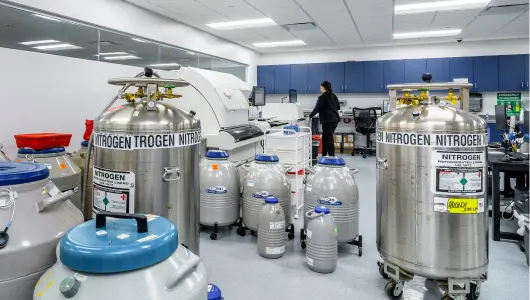
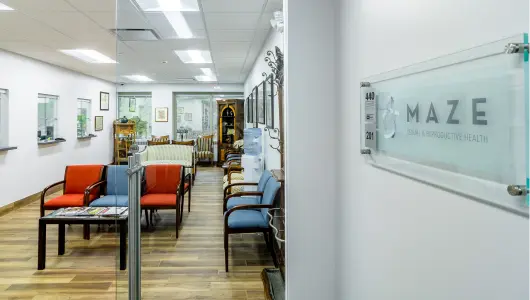
Maze’s modern facilities in Westchester, NY, and New York City are designed to provide expert care in a comfortable, private setting. Our on-site diagnostics, advanced therapies, and coordinated care allow patients to receive comprehensive services in one location.
Areas served
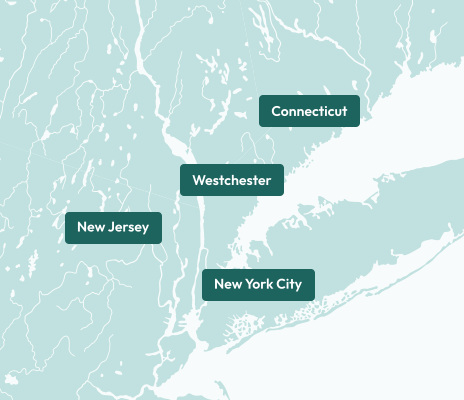
Serving Westchester County, New York City, Connecticut, and New Jersey, Maze supports patients locally and from out of state. Many seek our care for specialized expertise, with flexible options that include both in-person appointments and telemedicine consultations.
Patient Stories
Free consultation
I originally gave their NYC offices 1 star but after I posted that review, Dr. Werner called me, apologized and then spent almost an hour on the phone with me finding out in detail what my issues were with the clinic and my experience. At the end of our call he asked me to come in for a free consultation where
a) he showed me all the improvements they’d made; and
b) he discussed all the options I had.
Again, he promised to follow up in a month…and he did. So while I wish the entire experience had been excellent, his willingness to address the issues makes me willing to upgrade my review to 3 stars.
S.L, NY, Age 48
Well Organized
Everything was well organized, result was ready on time…and I think that the online service also helped save time.
K.A, CT, Age 43
This Is The Best Place To Go!
This is the best place to go! The staff is very nice. The price is also very affordable. Five stars!
K.Z, NY, Age 32
My experience with Dr. Werner and the entire staff was EXCELLENT!!
Everyone was very knowledgeable without making you feel intimidated. They took the time to explain everything and made sure that what we discussed was understood, they made sure I was comfortable with the testing, procedures and the treatment we decided on. I say we because they don’t force any one option, they make sure you are informed and educated about all options to best help you. The office staff are always friendly and helpful. Maze laboratories definitely makes an awkward, stressful and overwhelming situation much easier to talk about and understand.