
Extended Sperm Search & Microfreeze (ESSM)
Maze’s Unique Approach
ADVANCED, NONINVASIVE TEST THAT CHANGES LIVES
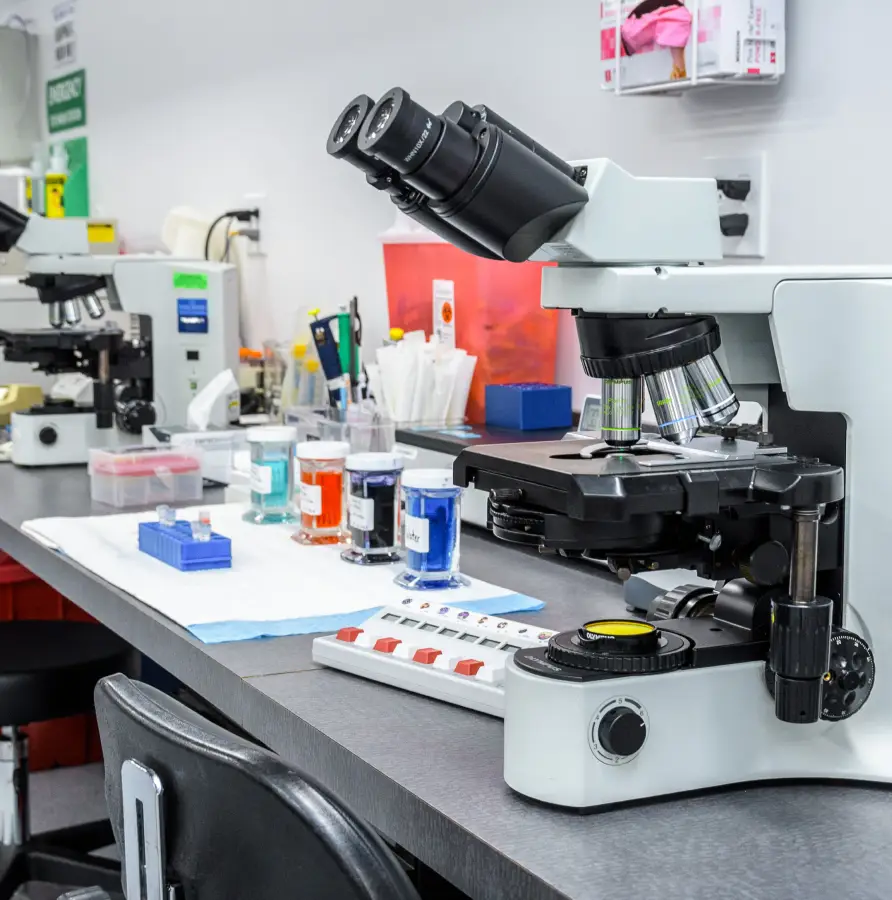
Azoospermia is the term used when a standard semen analysis finds no sperm in the ejaculate, which doesn’t always mean sperm can’t be found. Extended Sperm Search and Microfreeze is a specialized laboratory procedure that can locate and freeze sperm in 44% of men with azoospermia. At Maze Laboratories, ESSM is led by Michael A. Werner, MD, Maze Lab Director and a fellowship-trained urologist specializing in male infertility, who strongly believes that every man diagnosed with azoospermia or cryptozoospermia should undergo ESSM before considering surgical sperm retrieval. ESSM is noninvasive and may be performed multiple times, while surgical extraction procedures are invasive and may cause testicular damage.
A deeper search than standard semen testing
Micro-droplet method and high-powered microscopy
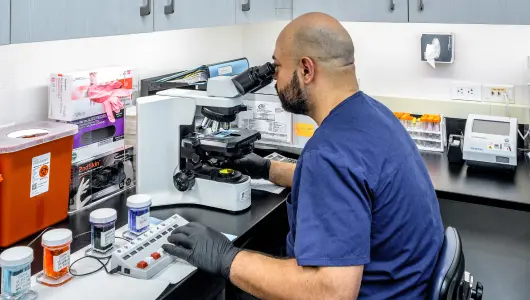
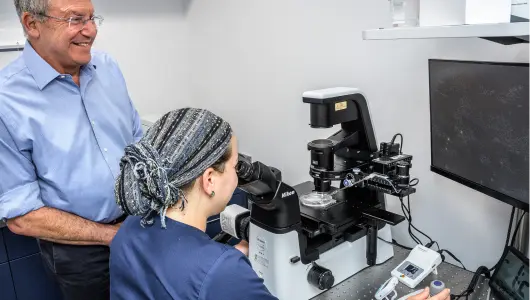
ESSM is performed by dividing the entire semen specimen into five-microliter droplets and systematically scanning each droplet under high-powered microscopy. This method helps the lab team locate sperm that conventional evaluation can miss.
Individual sperm isolation and precision freezing
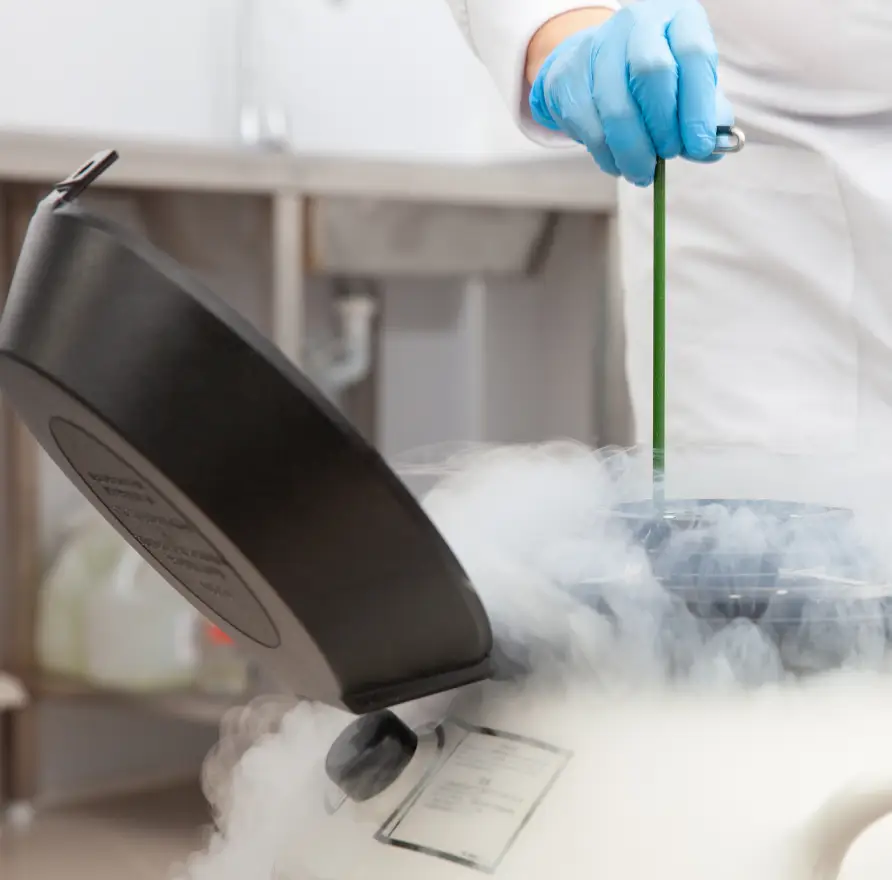
When sperm are identified, they are isolated individually and placed onto a specialized cryopreservation device known as a SpermVD, where they are frozen for future use with IVF and ICSI.
Noninvasive and repeatable
A safer first step before surgery
Surgical sperm extraction procedures are invasive and may cause testicular damage. ESSM is designed to be a conservative first step, helping many patients avoid surgery or delay it until it’s clearly necessary.
Who Is ESSM For?
IDENTIFYING THE RIGHT PATIENTS FOR EXTENDED SPERM SEARCH
Extended Sperm Search andand Microfreeze is designed for men with very low or “hard-to-detect” sperm counts, where a standard semen analysis may not capture the full picture. At Maze Laboratories, ESSM is often recommended for men diagnosed with azoospermia (no sperm seen on routine testing), cryptozoospermia (extremely rare sperm present), and other severe sperm abnormalities where finding even a small number of viable sperm can make a meaningful difference for IVF/ICSI planning. Maze’s approach focuses on maximizing the chance of locating usable sperm through a meticulous laboratory search, often reducing the need to immediately escalate to more invasive steps.
Azoospermia (no sperm seen on standard semen analysis)
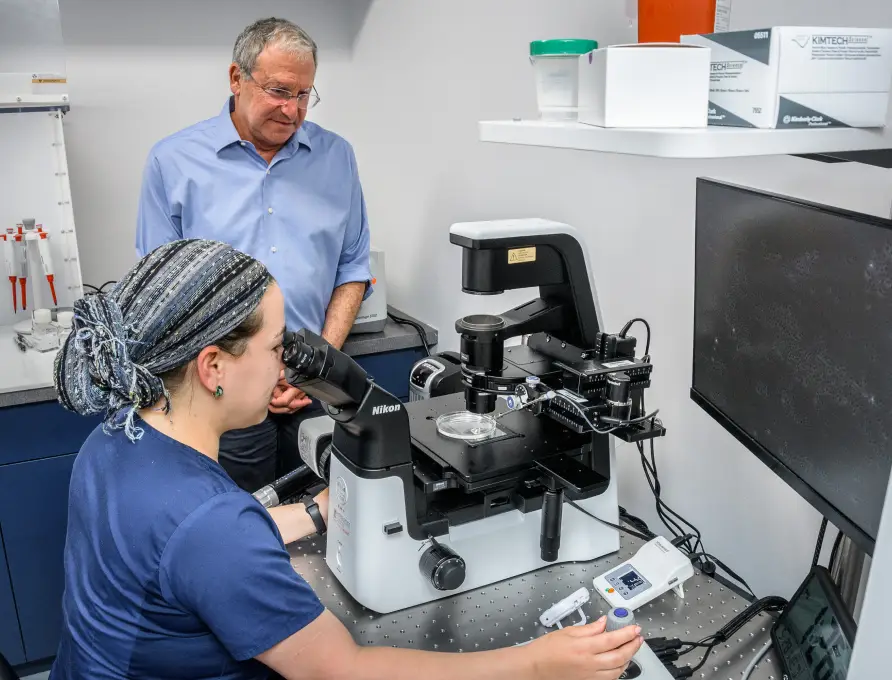
ESSM may be appropriate when no sperm are observed on a standard semen analysis. Even in these cases, ESSM can sometimes identify sperm missed on routine testing, allowing them to be found and frozen for future use. At Maze Laboratories, 44% of men with azoospermia will have sperm found and frozen using ESSM.
Cryptozoospermia (extremely rare sperm present)
ESSM is often a strong fit for men with cryptozoospermia, where sperm are present but exceptionally rare, even after centrifugation. Because sperm exist in the sample (just at extremely low levels), almost all men with cryptozoospermia will have a successful ESSM.
Severe oligozoospermia (< 1 million/mL)
When sperm concentration is under 1 million/mL, every sperm counts. ESSM can be used to locate and preserve sperm in cases where the count is too low for standard lab handling and reliable freezing methods.
Severe necrospermia (most sperm nonmotile or dead)
In severe necrospermia, viable sperm may be few and difficult to identify because they’re surrounded by nonmotile/dead sperm. ESSM, especially AI-assisted ESSM, helps the lab team find the few motile sperm that are there, improving the odds of preserving usable sperm for treatment.
Testicular tissue (surgically retrieved or aspirated, including GN-SEM)
ESSM techniques can also be applied to testicular tissue samples, whether surgically retrieved or aspirated (including GN-SEM), to help identify and preserve sperm when the source is tissue rather than ejaculate.
AI-Assisted Extended Sperm Search and Microfreeze
FASTER IDENTIFICATION OF RARE SPERM WITH THE SAME MAZE-LEVEL PRECISION
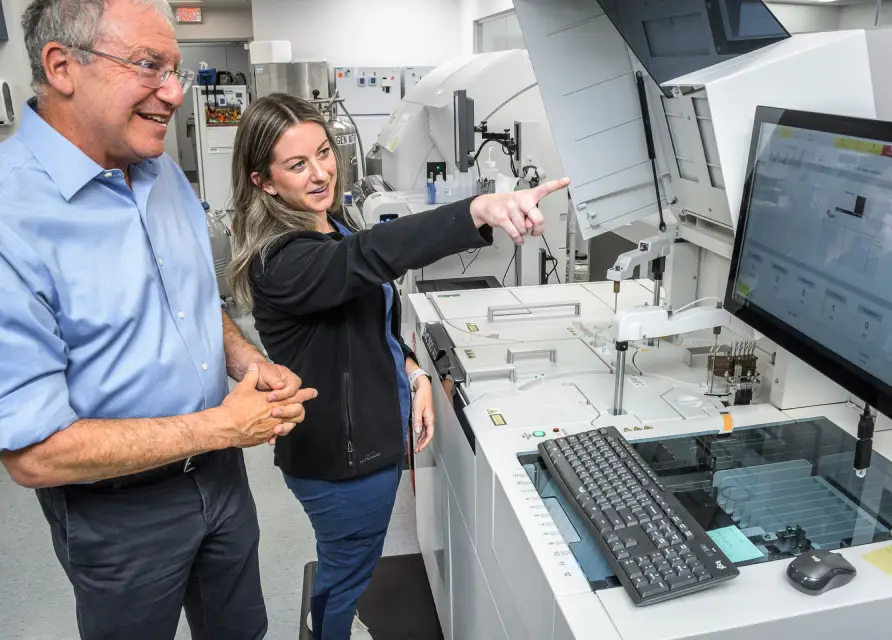
At Maze Health, Extended Sperm Search and Microfreeze is now performed with the assistance of artificial intelligence-based sperm identification, allowing for greater efficiency and speed in locating rare sperm while preserving the same meticulous ESSM technique. Maze incorporates an advanced AI platform developed by NeoGenix as a decision-support tool for embryologists. The core ESSM methodology remains unchanged: the entire specimen is divided into microliter droplets and examined under high-powered microscopy. AI helps flag areas of interest and prioritize regions within each droplet where sperm are more likely to be present — especially in challenging specimens — while embryologist expertise remains central. More importantly, AI does not replace the embryologist: all AI-identified sperm are manually confirmed under microscopy prior to micromanipulation, isolation, and freezing.
AI-assisted ESSM at Maze enhances — but doesn’t change — ESSM. The ESSM technique itself stays the same: micro-droplet preparation and high-powered microscopic review of the entire specimen. The AI layer helps guide attention to the most promising regions within each droplet, improving workflow efficiency without compromising rigor. Maze uses an advanced AI platform developed by NeoGenix to help embryologists identify potential sperm-containing regions more quickly. Think of it as smart prioritization: the system flags areas of interest so the embryologist can focus time where it matters most. Manual confirmation remains the standard. AI does not replace embryologist expertise. Every sperm identified with AI assistance is confirmed manually under microscopy before it is isolated through micromanipulation and frozen. More importantly, if the AI does not identify any sperm, the sample is still always manually searched before azoospermia is reported.
Where AI-Assisted ESSM Is Most Valuable
Debris-heavy ejaculates
Many immotile sperm + very few motile sperm
Surgical sperm retrieval specimens (especially micro-TESE)
SSR specimens — most commonly micro-TESE — often contain blood, fragmented seminiferous tubules, dense tissue, and cellular debris. AI-assisted ESSM helps our embryologists more efficiently identify areas of interest in these complex specimens, while maintaining full manual confirmation prior to isolation and freezing.
Additional SSR examples where AI-assisted ESSM can be especially helpful
AI-assisted ESSM may be particularly valuable in:
- Orchiectomy specimens from patients undergoing treatment for testicular cancer when semen analysis shows azoospermia or cryptozoospermia
- Orchiectomy specimens from trans women undergoing gender-affirming surgery, where ESSM may identify sperm in testicular tissue despite long-term hormone therapy
ESSM COMBINED WITH FIELD GRID NEEDLE SPERM EXTRACTION AND MICRO-FREEZE (GN-SEM)
ESSM does not always identify sperm in the ejaculate. Maze has pioneered field grid needle sperm extraction and micro-freeze (GN-SEM). This combines sperm mapping to ESSM to retrieve sperm in the least invasive manner possible.
Traditionally, men with azoospermia undergo micro-TESE, which requires open surgery in the operating room. Maze has long favored sperm mapping first, allowing many men to avoid unnecessary surgery.
Our Combined Approach
- Fine needle aspirates are taken in a systematic pattern.
- Instead of placing tissue on slides, samples are placed into sperm-friendly media.
- ESSM (with AI assistance) is performed immediately.
- Any sperm identified are frozen directly on SpermVDs.
This approach often allows sperm retrieval by using needle aspiration alone, avoiding or minimizing the need for micro-TESE.
Extended Sperm Search and Microfreeze for Surgically Retrieved Sperm (Fresh and Frozen Specimens)
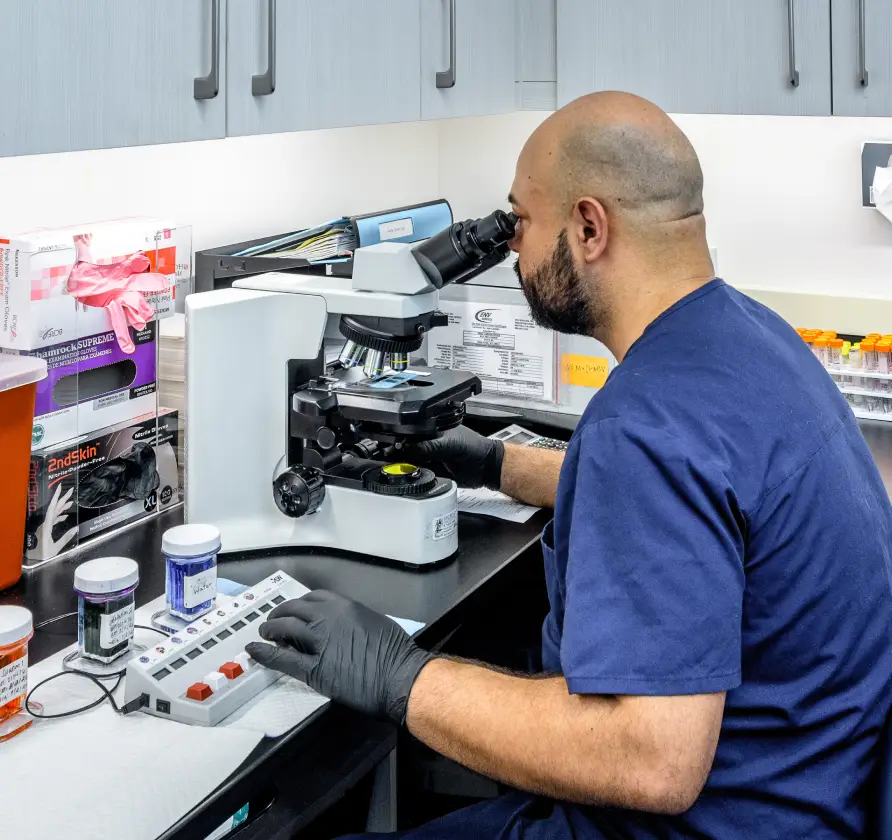
Many men with azoospermia have limited or focal sperm production within the testes, meaning sperm may only be found in small areas of tissue. Sperm can be retrieved through procedures such as micro-TESE, GN-SEM (needle aspiration), Microsurgical Epididymal Sperm Aspiration (MESA) for obstructive causes, or via testicular tissue removal for cancer treatment or during gender-affirming orchiectomy. Rather than limiting evaluation to standard IVF lab techniques, Maze performs Extended Sperm Search and Microfreeze, often with AI assistance, on these surgically retrieved sperm (SRS) specimens to enable a more extensive, detailed search. Maze andrologists may spend 6–8 hours or more evaluating a single specimen, and we also perform ESSM on frozen SRS specimens to maximize the chance of finding and preserving sperm, often timing the search to coincide with an IVF or egg-thaw cycle.
Surgically retrieved tissue is often divided and cryopreserved in multiple separate vials at the time of retrieval. Many reproductive urologic surgeons send tissue to Maze directly so it can be examined and frozen at the time of surgery, and we also receive many specimens that have been previously frozen at a different center.
These vials of surgically retrieved sperm are individually thawed and an ESSM is performed — typically timed to coincide with an IVF cycle or egg-thaw cycle — so that if motile sperm are identified, they can be used immediately. Because tissue is stored across multiple vials, ESSM can be performed on different frozen vials at different times, allowing for repeated, extended searches across separate samples over time to support multiple IVF cycles, if needed.
Maze receives specimens from all over the country, including many from men with Klinefelter syndrome. Many of these men have undergone a micro-TESE prior to initiating testosterone replacement therapy, and ESSM on SRS specimens helps maximize sperm identification and preservation in these complex cases.
What Is a SpermVD, and Why Does It Matter?
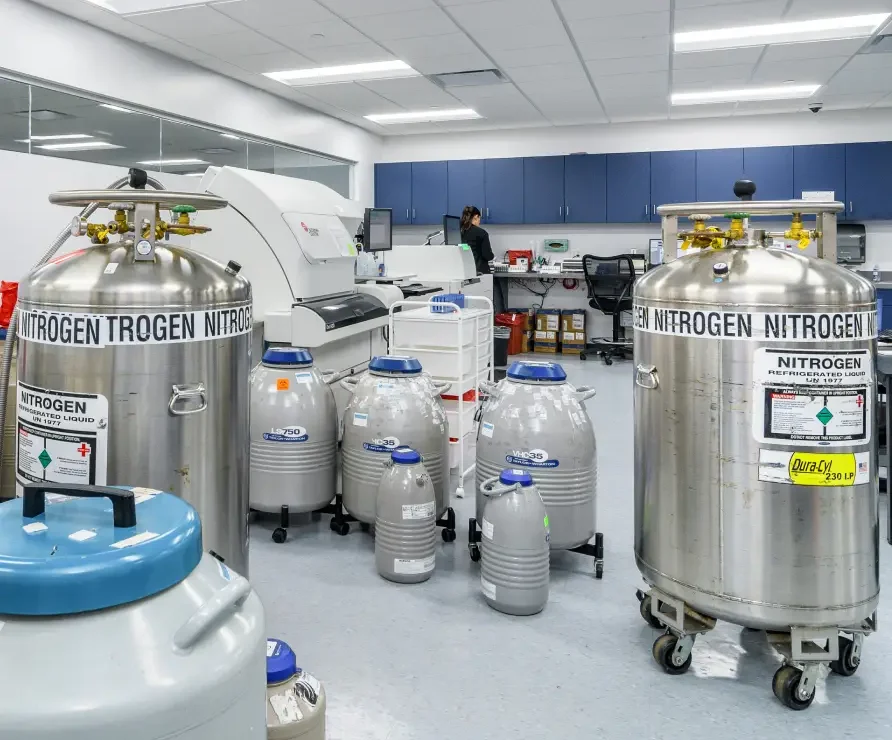
The SpermVD is a specialized micro-cryopreservation device designed to freeze **individual sperm — or very small numbers of sperm —** and later make them easy to recover for use with IVF and ICSI. Unlike conventional cryovials that freeze sperm in a larger volume of fluid, the SpermVD uses precisely engineered micro-wells that hold ultra-low-volume micro-droplets (approximately 0.8–1 µL per well). This ultra-low-volume approach minimizes dilution and mechanical stress during freezing and thawing, and as a result, over 90% of sperm that are viable and/or motile at the time of freezing maintain their viability and motility after thawing. On the day of IVF or egg thaw, the SpermVD is thawed, and sperm are immediately visible and accessible, reducing time, delays, and stress when timing matters most.
Using the device was easy… Knowing that there are sperm and that most will survive really takes stress off the lab. The saved time is relieving on a very busy day.”
Reproductive Specialists of New York
Least Invasive Path to Finding and Preserving Sperm
ESSM of the ejaculate — now enhanced with AI-assisted sperm identification — represents the least invasive, most sperm-sparing approach to treating severe male-factor infertility. When sperm are found, a surgical retrieval is avoided.
For many men previously told they had no options, Extended Sperm Search and Microfreeze provides a chance to create a biological child without immediate surgery and often without repeat surgical procedures.
AI-assisted ESSM can also be used on surgically retrieved tissue and aspirates in order to maximize the success of finding sperm.
ESSM is currently only available in the US at Maze Labs.
About Dr. Werner and Maze
About Dr. Werner
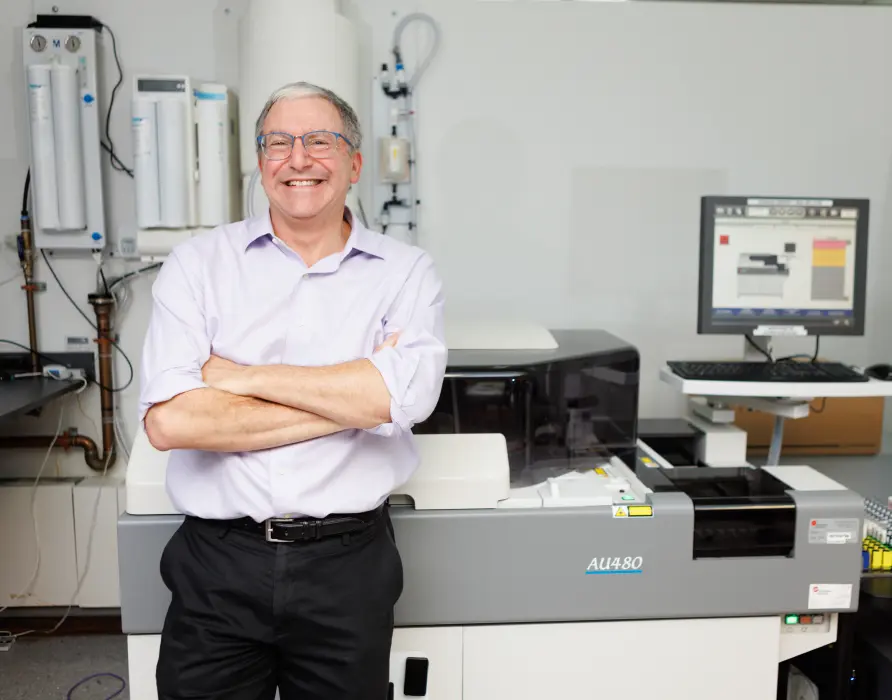
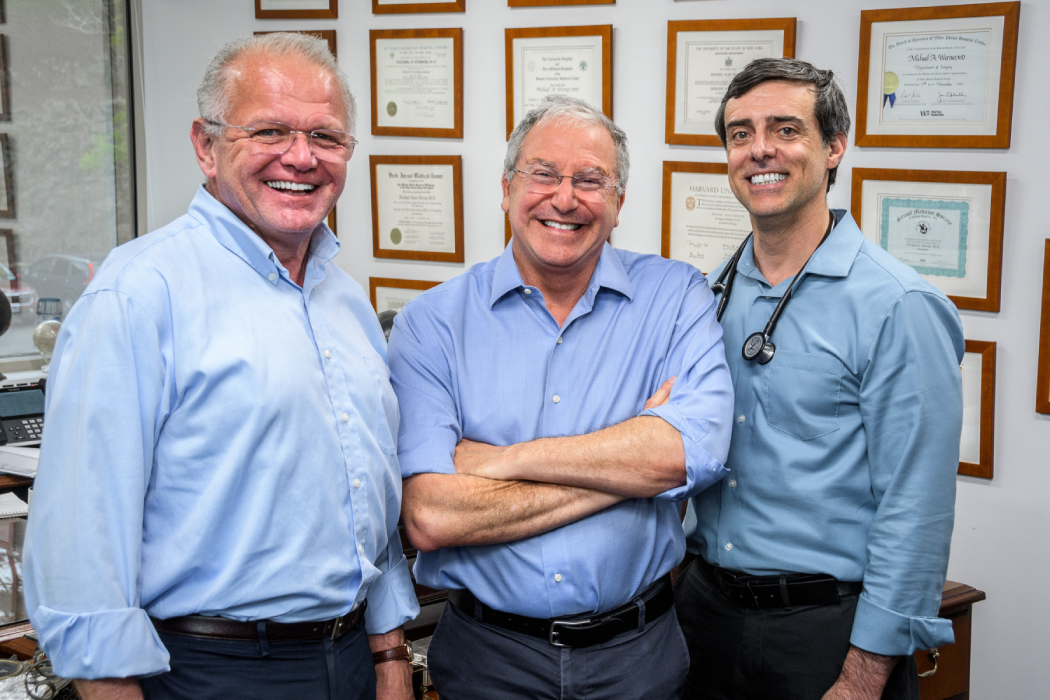
With over 25 years in clinical practice, Dr. Michael Werner is a board-certified urologist specializing in sexual and reproductive medicine. His work is defined by thoughtful care, advanced treatment strategies, and a long-standing commitment to helping patients achieve better health and quality of life.
About Maze
Maze Sexual & Reproductive Health is a specialized medical practice dedicated to men’s health, women’s health, sexual medicine, and fertility care. Our approach emphasizes personalized care, clinical excellence, and innovative solutions that help patients feel informed, supported, and empowered.





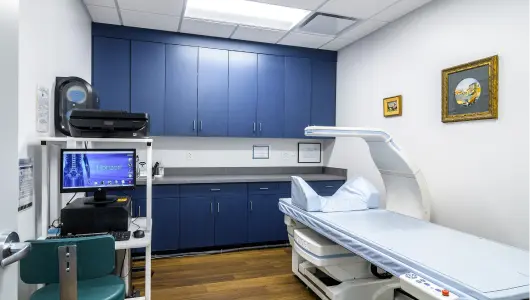
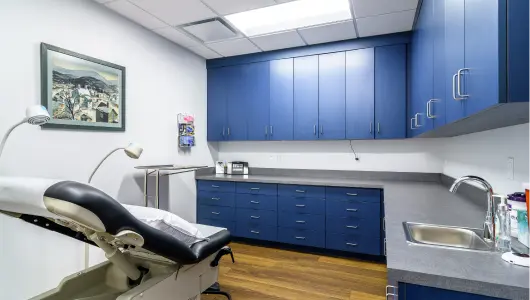
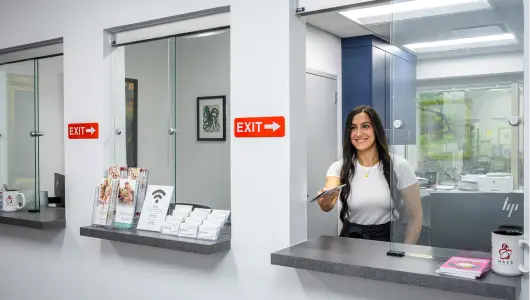

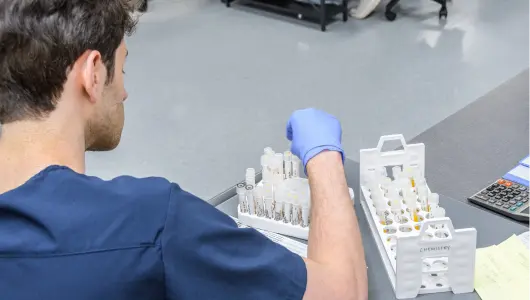
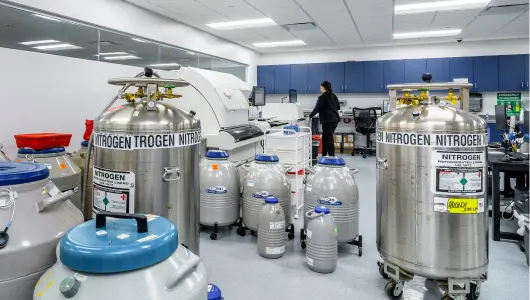
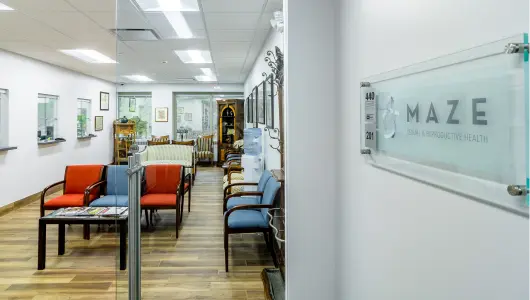
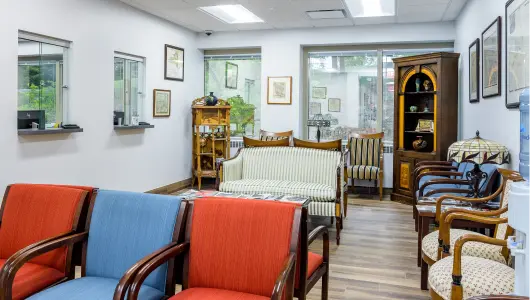
Maze facility
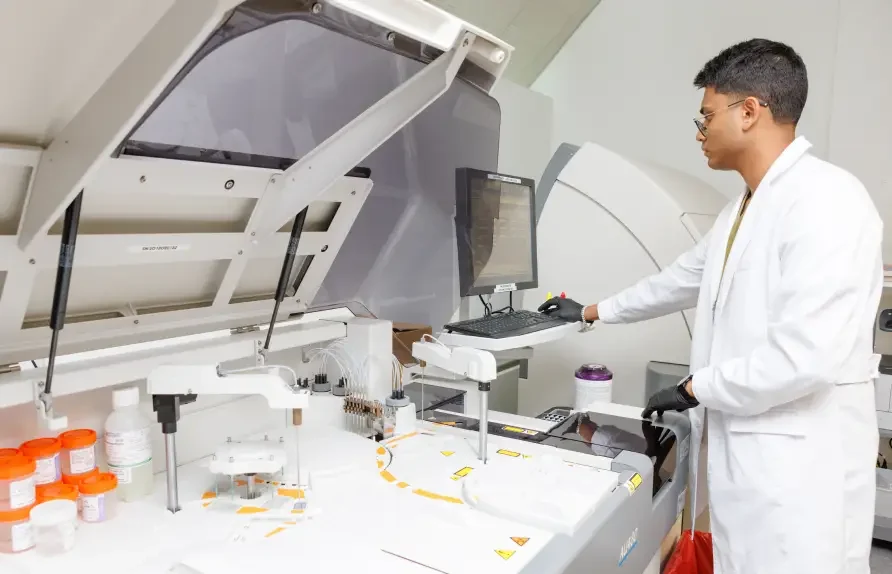
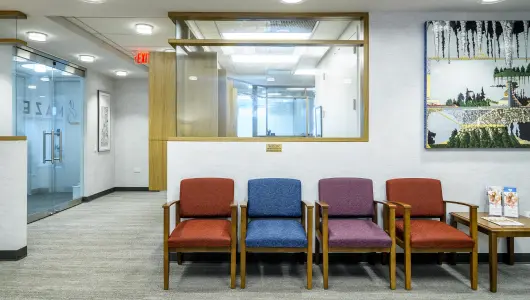
Maze’s modern facilities in Westchester, NY, and New York City are designed to provide expert care in a comfortable, private setting. Our on-site diagnostics, advanced therapies, and coordinated care allow patients to receive comprehensive services in one location.
Areas served
Serving Westchester County, New York City, Connecticut, and New Jersey, Maze supports patients locally and from out of state. Many seek our care for specialized expertise, with flexible options that include both in-person appointments and telemedicine consultations.

Patient Stories
Free consultation
I originally gave their NYC offices 1 star but after I posted that review, Dr. Werner called me, apologized and then spent almost an hour on the phone with me finding out in detail what my issues were with the clinic and my experience. At the end of our call he asked me to come in for a free consultation where
a) he showed me all the improvements they’d made; and
b) he discussed all the options I had.
Again, he promised to follow up in a month…and he did. So while I wish the entire experience had been excellent, his willingness to address the issues makes me willing to upgrade my review to 3 stars.
S.L, NY, Age 48
Well Organized
Everything was well organized, result was ready on time…and I think that the online service also helped save time.
K.A, CT, Age 43
This Is The Best Place To Go!
This is the best place to go! The staff is very nice. The price is also very affordable. Five stars!
K.Z, NY, Age 32
My experience with Dr. Werner and the entire staff was EXCELLENT!!
Everyone was very knowledgeable without making you feel intimidated. They took the time to explain everything and made sure that what we discussed was understood, they made sure I was comfortable with the testing, procedures and the treatment we decided on. I say we because they don’t force any one option, they make sure you are informed and educated about all options to best help you. The office staff are always friendly and helpful. Maze laboratories definitely makes an awkward, stressful and overwhelming situation much easier to talk about and understand.