
Azoospermia Treatment
When a semen analysis shows no sperm count (azoospermia) or very low levels of sperm (cryptospermia), it does not necessarily eliminate the possibility of a couple conceiving. New and exciting interventions may either help the man produce sperm or locate small numbers of sperm, not found on a regular semen analysis. Maze Health specializes in no Sperm/azoospermia for patients in Westchester, New York City, Connecticut and New Jersey.
Maze’s Unique Approach
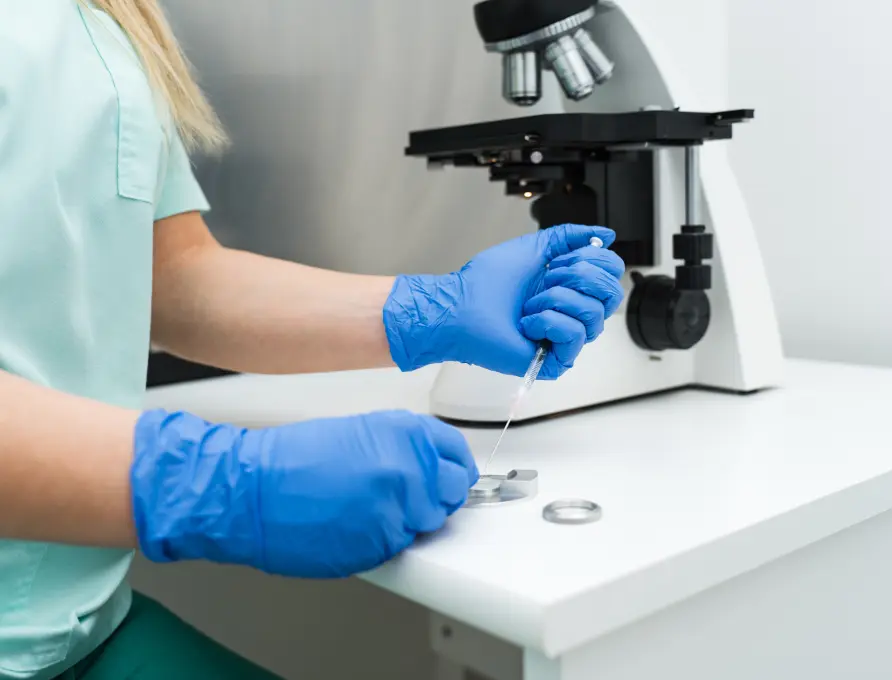
Azoospermia isn’t the end of the road
Two types of azoospermia: production vs. delivery
A complete evaluation determines whether azoospermia is:
- Nonobstructive azoospermia: Sperm production problem
- Obstructive azoospermia: Sperm delivery/blockage problem
How treatment differs based on the cause
- If it’s delivery-related, the focus is often on retrieving sperm and frequently freezing (cryopreserving) it for future use.
- If it’s production-related, the first step is often to maximize sperm production, commonly through hormonal treatment and/or varicocelectomy when appropriate.
The Maze difference: Specialist-led, customized plan
Azoospermia Diagnosis
Just diagnosed with azoospermia? A “no sperm” result on a semen analysis can feel overwhelming, but it does not necessarily mean you can’t have a biological child. The most important next step is confirming the diagnosis with at least two semen analyses performed in a sophisticated male fertility lab, because sperm counts can fluctuate, and Maze has often found sperm when other labs reported none. From there, a male infertility urologist evaluates whether the cause is obstructive azoospermia (a delivery/blockage issue) or nonobstructive azoospermia (a sperm production issue). Once the cause is identified, the plan focuses on either retrieving and often freezing sperm or maximizing sperm production with targeted treatment. If sperm can be found, advanced reproductive techniques can be highly effective, often requiring only one motile sperm per egg to potentially fertilize it.

I was just diagnosed with azoospermia. Now what should I do?
A semen analysis showing azoospermia does not necessarily mean you won’t be able to have a biological child. Once the cause has been determined and sperm production has been maximized, there are procedures that can sometimes locate sperm for use with advanced reproductive techniques, and it may take only one motile sperm per egg to potentially fertilize it.
Step 1: Confirm the diagnosis (repeat testing matters)
Before diagnosing total azoospermia, at least two semen analyses should be completed in a highly experienced lab. Sperm production can fluctuate, and men with extremely low sperm counts may be intermittently azoospermic. Maze has frequently identified sperm in samples where other labs found none.
Step 2: See a male infertility urologist
The next step is an evaluation with a urologist specializing in male infertility to determine whether the issue is:
- Production-related: The testes are not making enough sperm to appear in the ejaculate (nonobstructive azoospermia).
- Delivery-related: Sperm are being made but cannot enter the ejaculate due to blockage (obstructive azoospermia).
Step 3: Follow the right pathway based on the cause
- If delivery is the problem → focus turns to retrieving sperm (and often freezing/cryopreserving it).
- If production is the problem → focus is on maximizing sperm production first, then considering procedures that may help locate usable sperm.
Learn more about Michael A. Werner, MD
Michael A. Werner, MD. is the founder and medical director at Maze Health and specializes in the diagnosis and management of azoospermia and complex male infertility.
Sperm Delivery Issues (Obstructive Azoospermia)
If azoospermia is caused by a delivery problem, called obstructive azoospermia (OA), the testes may be producing sperm normally, but sperm cannot reach the ejaculate due to a blockage or missing duct.

At Maze Health, we diagnose the cause of obstruction and create a treatment plan that may include restoring sperm flow (when possible) or sperm retrieval with freezing (cryopreservation) for future use with IVF/ICSI. Common causes include congenital absence of the vas deferens (CBAVD), epididymal or vas deferens obstruction from infection, surgery, or vasectomy, ejaculatory duct obstruction, and ejaculatory dysfunction/retrograde ejaculation. Because OA often means sperm can still be obtained, timely specialist evaluation can preserve options and streamline next steps. Maze also offers advanced lab processing, including Extended Sperm Search & Microfreeze (ESSM) in select cases to improve the ability to find and preserve usable sperm.
What is obstructive azoospermia (OA)?
Common causes of delivery problems
- CBAVD (missing vas deferens): Often associated with cystic fibrosis gene mutations; sperm is usually retrieved from the testis or epididymis. Genetic testing for CF mutations is important, and partner testing may be recommended.
- Epididymal or vas deferens obstruction: Can result from infection, surgery (hernia/hydrocele repair), or vasectomy.
- Ejaculatory duct obstruction: Blocked ducts prevent sperm from reaching the urethra; evaluation may include imaging and procedural options.
- Ejaculatory dysfunction/retrograde ejaculation: Sperm may go backward into the bladder or emission may not occur normally, sometimes due to nerve injury, diabetes, spinal cord issues, or medications.
Treatment options (restore flow vs. retrieve sperm)
- Vasal reconstruction: In some cases (especially post-vasectomy), microsurgery can restore sperm flow and allow for natural conception; success varies based on the time the since vasectomy and surgical findings.
- Sperm retrieval (typically used with IVF/ICSI): Retrieved sperm are low in number and often slow-moving, so they are generally used with IVF + ICSI (injecting one sperm into each egg). Common approaches include:
- MESA (Microsurgical Epididymal Sperm Aspiration): OR procedure that often yields more sperm and typically allows freezing multiple vials to reduce the need for repeat retrieval
- Needle/Percutaneous testicular biopsy: Office-based, less invasive and lower cost; may only yield enough sperm for one IVF cycle and may need repeating
Ejaculatory duct obstruction + retrograde ejaculation testing
- Transrectal ultrasound (TRUS): Helps evaluate ejaculatory ducts and seminal vesicles for dilation, cysts, or calcifications.
- TURED: A transurethral procedure that can open/unroof an obstruction in select cases, sometimes restoring sperm to the ejaculate.
Medications + PEU for retrograde ejaculation
- Medication regimens may help convert retrograde ejaculation to forward ejaculation (commonly including pseudoephedrine; other options exist).
- Post-ejaculatory urinalysis (PEU): PEU tests urine after ejaculation to identify sperm in the bladder; in some cases, sperm can be harvested from prepared urine.
The Maze approach to sperm retrieval and freezing
If sperm are being produced but can’t get out, Maze can retrieve sperm via needle biopsy or surgical approaches. Extra sperm and tissue can often be processed and frozen, and in select cases, ESSM can help improve the ability to locate sperm later and support post-thaw survival.
Sperm Production Issues (Nonobstructive Azoospermia)
If azoospermia is caused by a production problem, called nonobstructive azoospermia (NOA), the testes are not making enough sperm to appear on a standard semen analysis. At Maze Health, the first goal is to identify any reversible causes and maximize sperm production through targeted hormonal therapy and/or varicocelectomy when appropriate, while avoiding anything that suppresses sperm production like testosterone replacement therapy (TRT) or anabolic steroids.
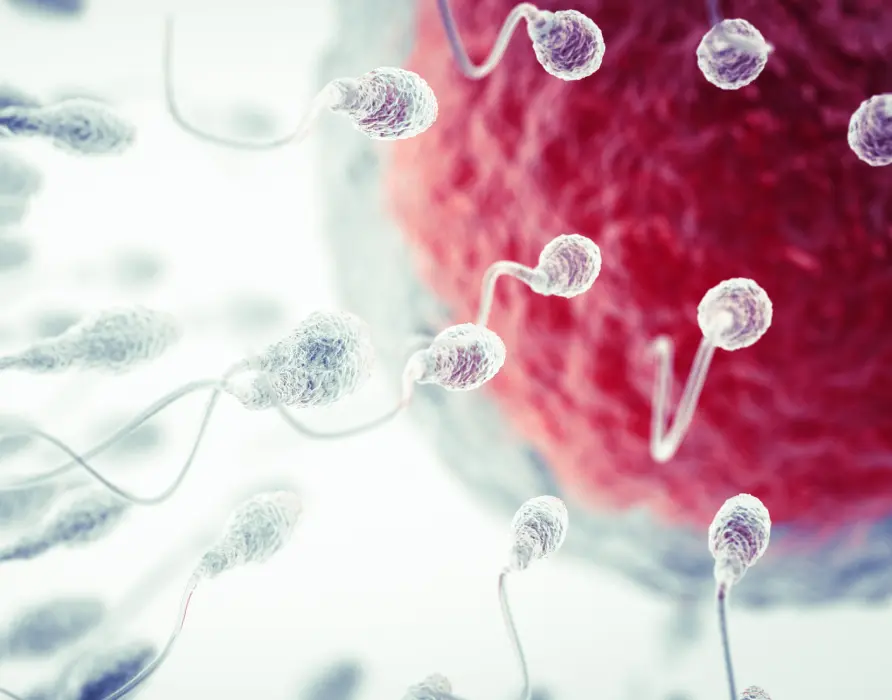
What is nonobstructive azoospermia (NOA)?
Step 1: Identify reversible causes and build a treatment plan
A specialist evaluation typically includes: physical exam (testis size can be a clue), hormone testing (FSH, LH, testosterone, estradiol, prolactin, TSH), and genetic testing (karyotype and Y-chromosome microdeletions). Some hormonal or thyroid issues are treatable; anabolic steroids and TRT can shut down sperm production and are often reversible once stopped. In rare genetic scenarios (certain Y microdeletions), sperm production may be impossible, helping avoid futile procedures.
Step 2: Maximize sperm production (when possible)
If there’s a reversible contributor, such as hormonal imbalance or a varicocele, Maze focuses on improving production. Treatment may include medications such as SERMs/clomiphene (often used when testosterone is <400) to stimulate the pituitary and support sperm and testosterone production. Varicocele repair may meaningfully improve sperm production in select men.
Step 3: Find and freeze rare sperm from the ejaculate (ESSM)
If routine semen analysis still shows no sperm, Maze can perform Extended Sperm Search & Microfreeze (ESSM), an intensive process that examines the full specimen to locate rare sperm, then isolates and freezes them for later use with IVF + ICSI.
Step 4: If no sperm are found in the ejaculate, evaluate the testes
If no sperm are found after definitive retrieval
If sperm cannot be found after appropriate interventions and retrieval attempts, the next step is a discussion of family-building options with your care team.
Next Steps When Sperm Can’t Be Retrieved
When definitive sperm retrieval has been performed and no sperm are found, Maze Health helps individuals and couples understand every realistic path forward — medically, emotionally, and logistically. As a reproductive urologist who also runs a reproductive urology laboratory, Michael Werner, MD, focuses first on helping patients achieve a biological child, including advanced options like IVF with ICSI when even rare sperm can be identified. If a man produces no sperm, many families still achieve parenthood through thoughtfully chosen alternatives such as a designated (known) sperm donor, an anonymous donor, adoption, or child-free living — all valid outcomes depending on your goals and values. Maze is one of the few labs licensed in New York State to store sperm for designated donors, with required STI and genetic testing and a physical exam. Support resources and counseling can also help couples process decisions that may evolve over time.
If no sperm are found after definitive retrieval
Family-building options to consider
- Designated (known) sperm donor: A donor chosen by the intended parent(s) — heterosexual couples, gay couples, or single individuals. In NYS and federally, this typically requires STI testing, genetic screening, and a physical exam. The lab process is detailed, but it’s usually straightforward for the donor.
- Anonymous sperm donor: Donor sperm obtained through a sperm bank. Donors are carefully screened, though direct-to-consumer genetic testing is changing what “anonymous” means over time.
- Adoption: A meaningful option, though often more expensive, time-consuming, and difficult, especially for newborn adoption.
- Child-free living: A valid decision for many couples and individuals, sometimes influenced by personal or religious values.
If sperm are found: IVF/ICSI pathway
About Dr. Werner and Maze
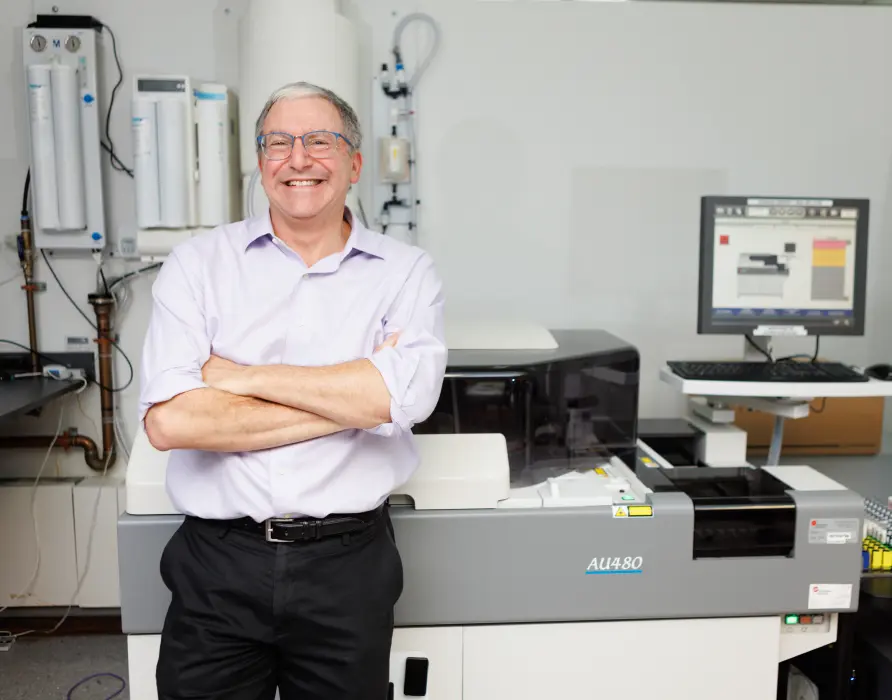
About Dr. Werner
With over 25 years in clinical practice, Dr. Michael Werner is a board-certified urologist specializing in sexual and reproductive medicine. His work is defined by thoughtful care, advanced treatment strategies, and a long-standing commitment to helping patients achieve better health and quality of life.
About Maze
Maze Sexual & Reproductive Health is a specialized medical practice dedicated to men’s health, women’s health, sexual medicine, and fertility care. Our approach emphasizes personalized care, clinical excellence, and innovative solutions that help patients feel informed, supported, and empowered.
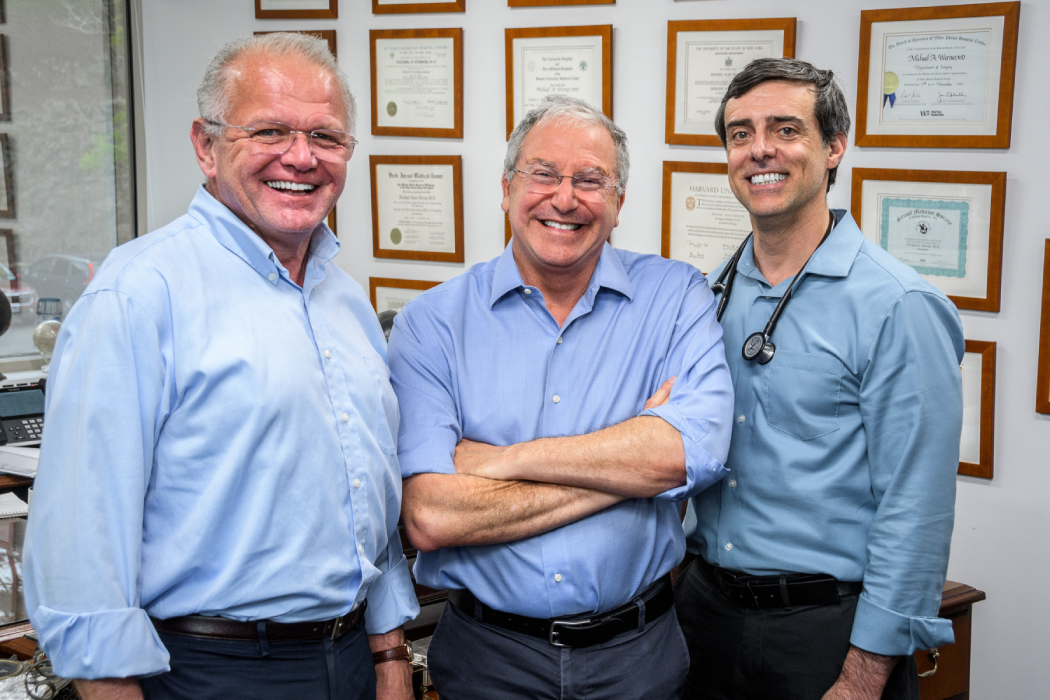

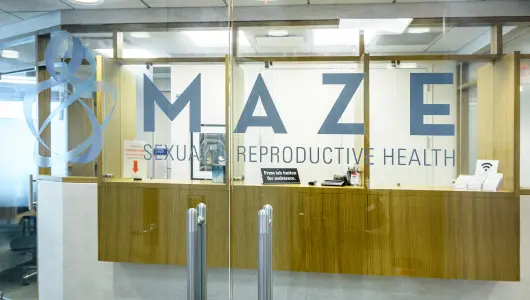
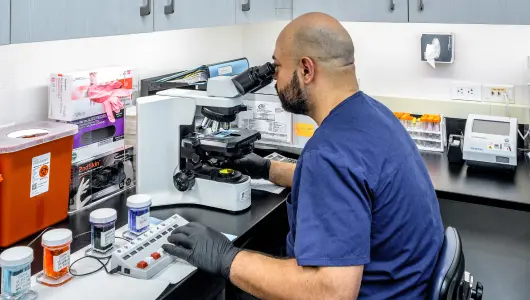
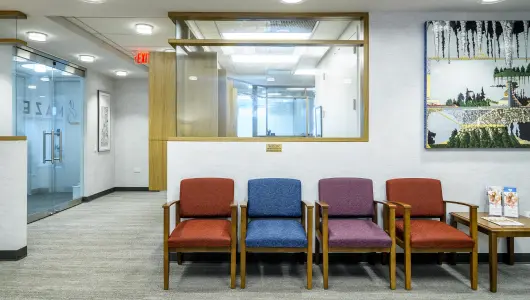




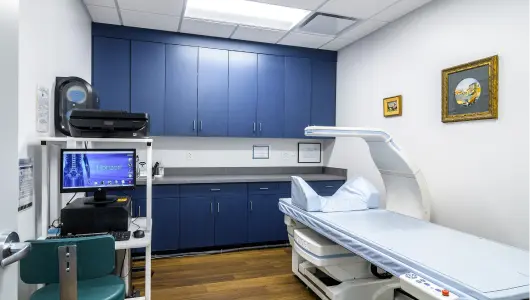
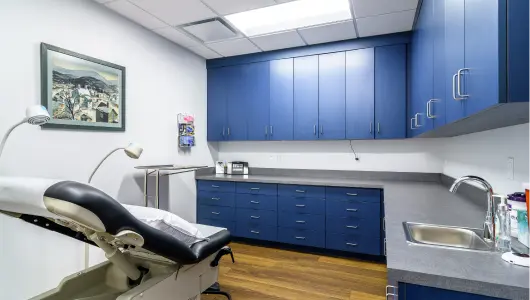
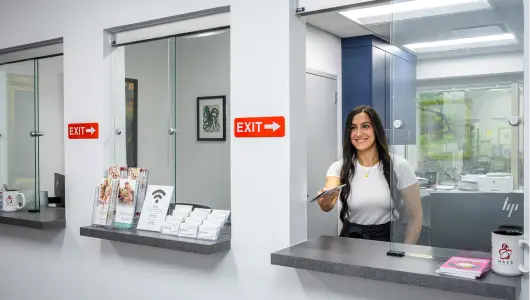

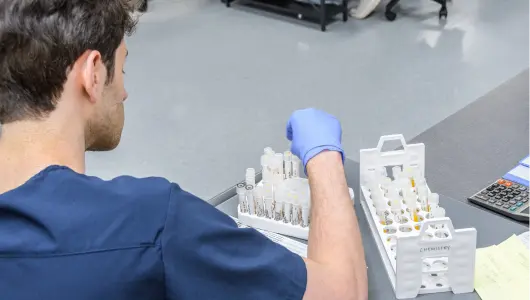
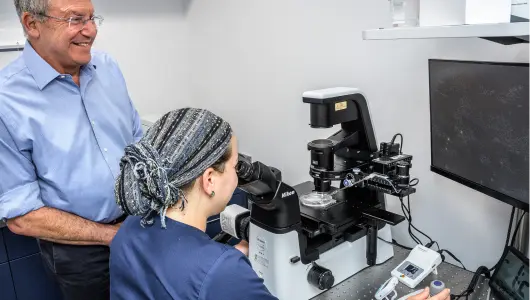
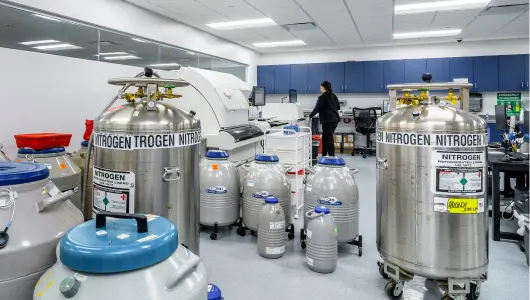
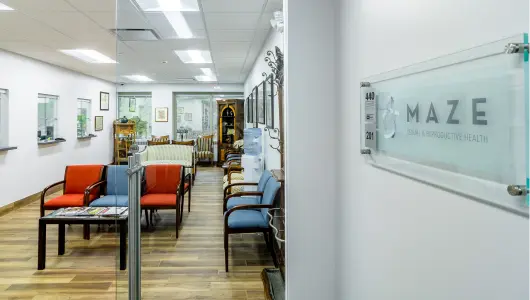

Maze facility
Maze’s modern facilities in Westchester, NY, and New York City are designed to provide expert care in a comfortable, private setting. Our on-site diagnostics, advanced therapies, and coordinated care allow patients to receive comprehensive services in one location.
Areas served
Serving Westchester County, New York City, Connecticut, and New Jersey, Maze supports patients locally and from out of state. Many seek our care for specialized expertise, with flexible options that include both in-person appointments and telemedicine consultations.

Patient Stories
Free consultation
I originally gave their NYC offices 1 star but after I posted that review, Dr. Werner called me, apologized and then spent almost an hour on the phone with me finding out in detail what my issues were with the clinic and my experience. At the end of our call he asked me to come in for a free consultation where
a) he showed me all the improvements they’d made; and
b) he discussed all the options I had.
Again, he promised to follow up in a month…and he did. So while I wish the entire experience had been excellent, his willingness to address the issues makes me willing to upgrade my review to 3 stars.
S.L, NY, Age 48
Well Organized
Everything was well organized, result was ready on time…and I think that the online service also helped save time.
K.A, CT, Age 43
This Is The Best Place To Go!
This is the best place to go! The staff is very nice. The price is also very affordable. Five stars!
K.Z, NY, Age 32
My experience with Dr. Werner and the entire staff was EXCELLENT!!
Everyone was very knowledgeable without making you feel intimidated. They took the time to explain everything and made sure that what we discussed was understood, they made sure I was comfortable with the testing, procedures and the treatment we decided on. I say we because they don’t force any one option, they make sure you are informed and educated about all options to best help you. The office staff are always friendly and helpful. Maze laboratories definitely makes an awkward, stressful and overwhelming situation much easier to talk about and understand.