
Semen Analysis
Maze’s Unique Approach
At Maze Labs, we combine state-of-the-art medical and scientific expertise with an in-house laboratory model that’s built specifically for male fertility evaluation. Our expert team is led by Michael Werner, MD, a board-certified, fellowship-trained urologist specializing in male infertility and male sexual dysfunction.
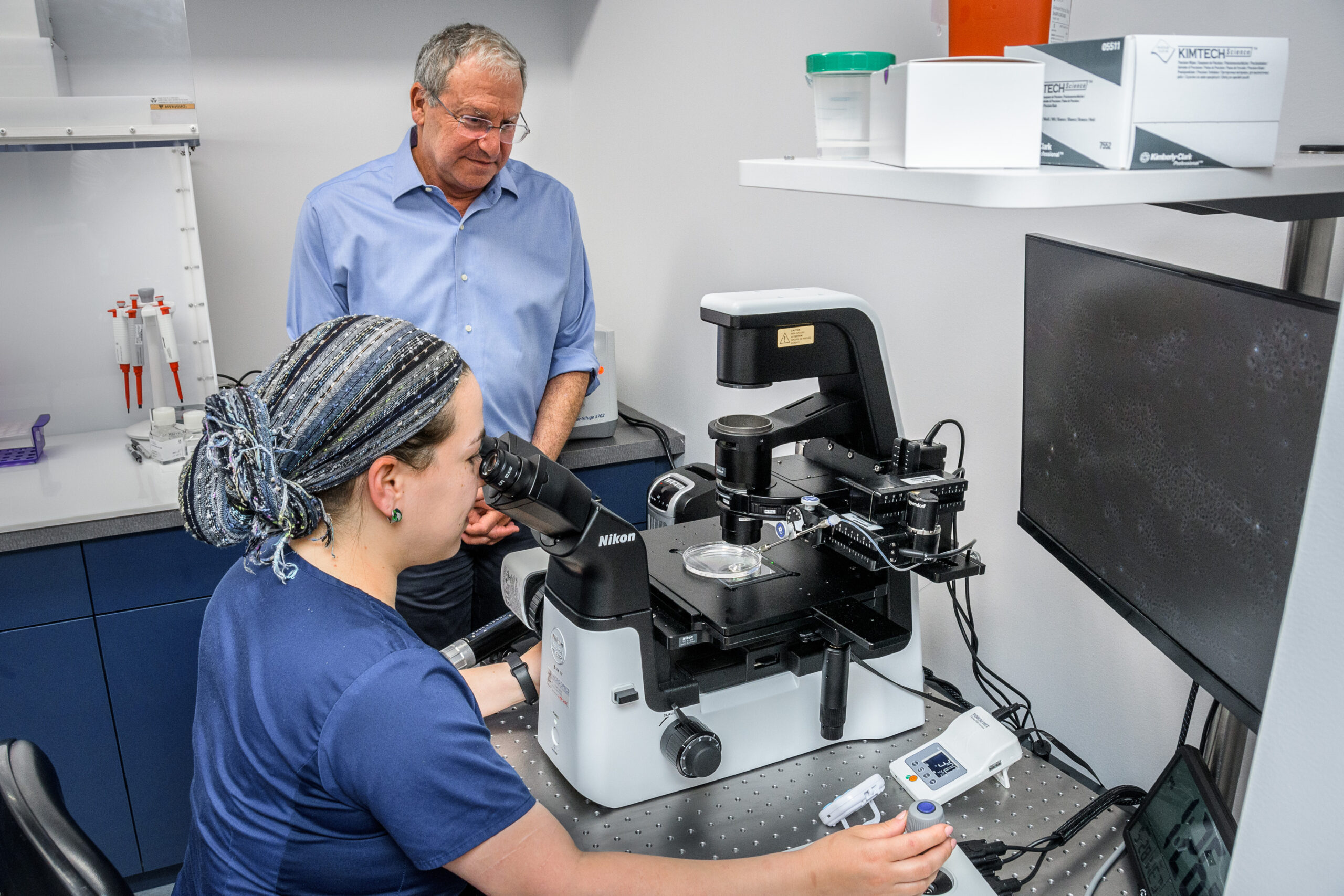
Unlike standard commercial labs (and many men’s clinics that send specimens out), we perform semen analyses in NYC on site within one hour of production and complete necessary secondary or additional testing on the same specimen, maximizing the information gained while limiting the number of repeat analyses you may need.
We also make the process as comfortable and convenient as possible, giving you the option to produce a specimen at home or in our office, where private collection rooms are designed for comfort and equipped with appropriate materials. Most importantly, we communicate results promptly and thoroughly to your doctor so you can move quickly toward a clear, informed plan — because when you’re trying to conceive, time and clarity matter.
Semen Analysis in NYC at Maze Labs
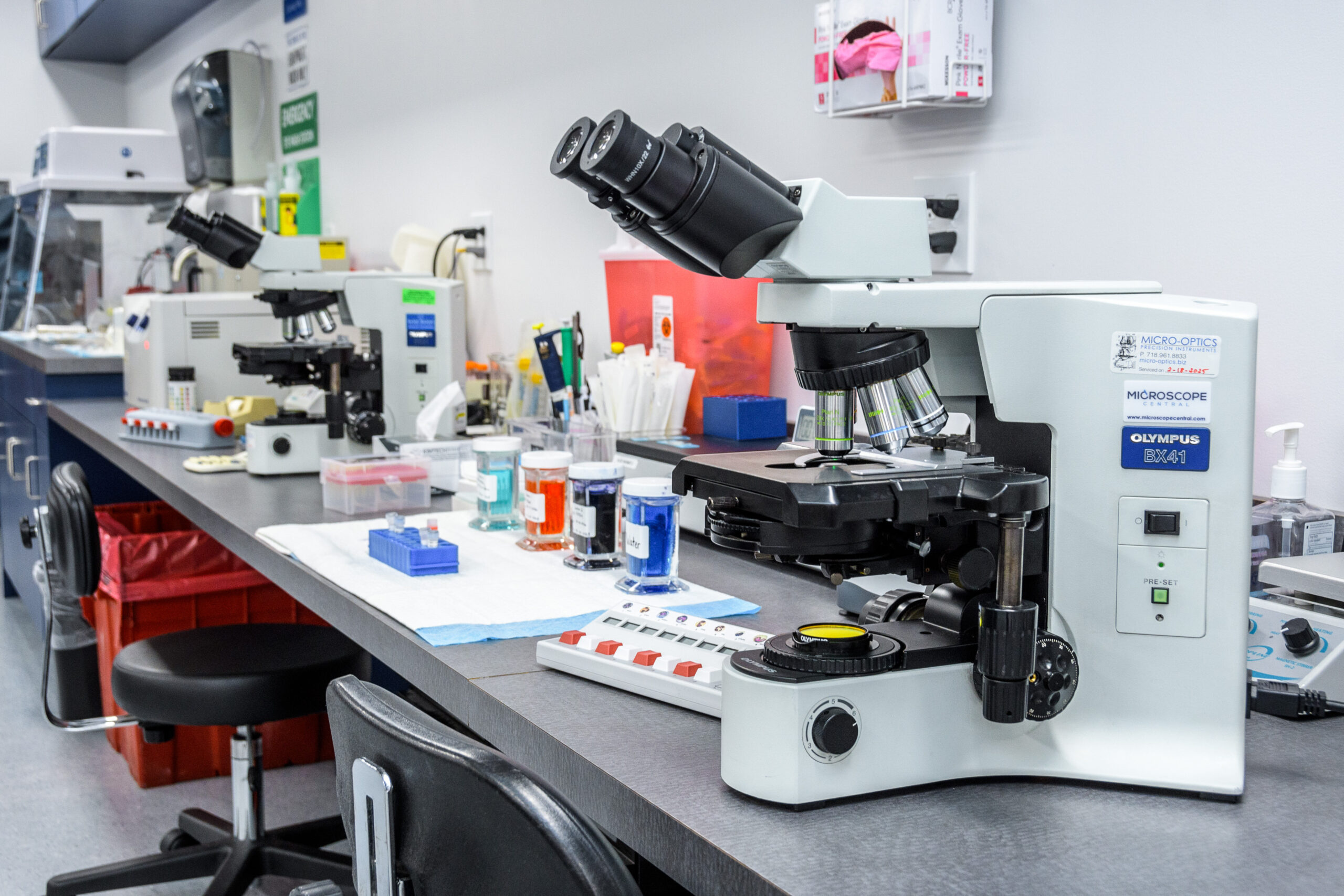
At Maze Labs, our semen analysis is a fast, noninvasive first step in a complete male fertility evaluation for couples trying to conceive. We provide advanced sperm testing with accurate measurement of key fertility parameters, helping identify potential male factor infertility early so you and your doctor can move forward with a clear plan. Because sperm quality can change over time, establishing a strong baseline semen analysis can streamline next steps and reduce delays in fertility treatment. Our approach supports timely decision-making and may help minimize the need for more complex interventions for the female partner. If you’re looking for trusted fertility testing and a comprehensive sperm analysis in NYC, Maze Labs is built for clinical precision and actionable answers.
Why does an early semen analysis matter?
How long does it take to make sperm, and why does the timing matter?
Sperm are produced continuously, and the sperm you ejaculate today began developing about three months ago. This means, lifestyle factors and exposures — both good and bad such as smoking, drugs, hot baths, or saunas — can affect sperm quality for the next three months. It also explains why there can be a four- to six-month delay between treatment changes and measurable improvement on testing, making an accurate baseline evaluation especially valuable.
When should you consider a semen analysis?
About 85% of couples conceive within one year of regular intercourse without contraception. A couple is generally considered subfertile if pregnancy hasn’t occurred after 12 months of trying (not necessarily consecutive). If the woman is 35 or older, it’s often recommended to begin an evaluation after six months, and to include a semen analysis early.
What if problems are found?
What is semen, and what gets tested?
Semen is the fluid a man ejaculates, produced at multiple sites in the body. While sperm are the cells that fertilize the egg, they make up only 1% to 2% of semen volume, and the surrounding fluid can also impact sperm movement and function. That’s why both sperm parameters and the seminal fluid are important to evaluate.
Basic Semen Testing
Maze Labs provides basic semen testing that measures the core parameters of a male fertility evaluation, including semen volume, sperm concentration (count), motility, forward progression, morphology, and total motile count (TMC).
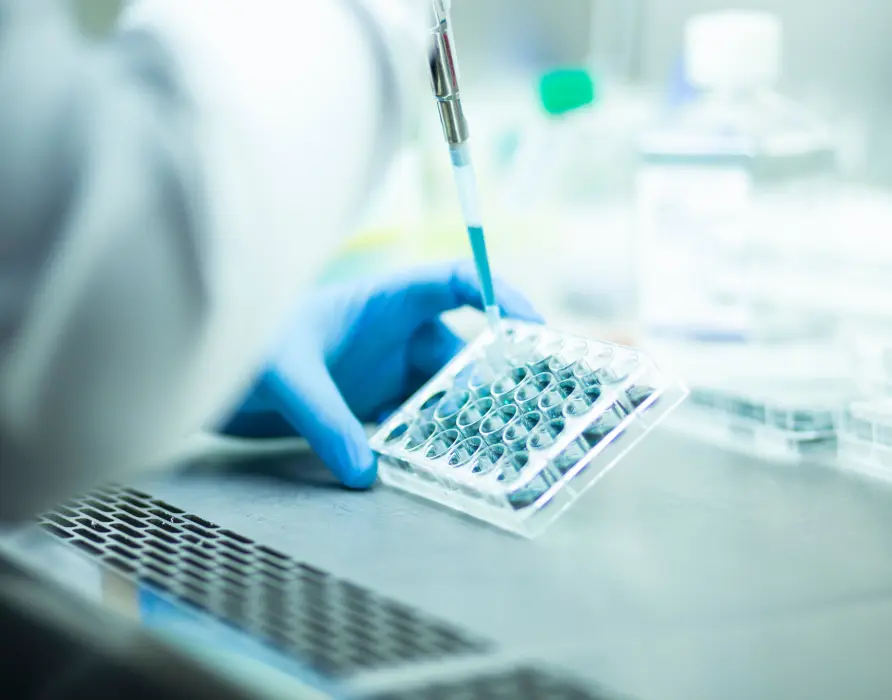
These semen analysis metrics help identify possible male factor infertility and guide next steps with your fertility specialist. Our testing goes beyond a single number by evaluating both how many sperm are present and how well they move and function — critical details for conception. With clear reporting and clinically relevant interpretation, Maze Labs delivers actionable insight from your sperm analysis in NYC so you and your doctor can make informed treatment decisions. If you’re searching for comprehensive semen analysis testing and trusted male fertility testing, Maze Labs is built to provide answers you can use.
Volume (How much semen is produced?)
Volume measures the total amount of ejaculate — how much fluid is produced. Results are reported in milliliters (mL), which is the same as cubic centimeters (cc) (for reference, 1 teaspoon = 5 cc). A typical “normal” volume is 2 cc or more. Low volume can occur if a patient is anxious during collection, if part of the specimen is not captured in the container, or due to factors such as hormonal abnormalities or ductal blockages.
Sperm Concentration/Count (How many sperm are present?)
Concentration (also called “count”) measures how many million sperm are present in each milliliter of semen. Measuring concentration accurately requires expertise and proper equipment: sperm move in and out of view, semen isn’t perfectly uniform throughout the sample, and multiple microscope fields must be counted and averaged. The most accurate methods use single-use slides that allow a consistent chamber depth; reusable chambers can vary over time with repeated cleaning and use. Average sperm concentration is generally >60 million per mL, while <20 million per mL is considered subfertile. Concentration is influenced by both sperm production and semen fluid volume — high volume can “dilute” the concentration even when total sperm numbers are strong.
Motility (What percent of sperm are moving?)
Motility describes the percentage of sperm that are moving, reported as a percent (%). If all sperm are moving, motility is 100%; if none are moving, it’s 0%. Motility is measured by counting moving and nonmoving sperm across multiple grid areas because semen is not perfectly homogeneous and sperm move in and out of counting zones. A typical benchmark is 50% or more moving sperm. Low motility can result from production issues or conditions within the ducts that store/transport sperm — infections can reduce motility even if the sperm were produced with normal movement.
Forward Progression (How well do moving sperm swim?)
Forward progression evaluates the quality of sperm movement — are they moving forward effectively or just “wiggling” in place? It’s typically scored on a 1–4 scale (often reported as an average), ranging from no movement to extremely fast forward movement. This matters because high motility with poor forward progression may still result in low functional movement through the reproductive tract. Conversely, a lower motility with strong forward progression can sometimes be more favorable because the moving sperm are actually traveling forward.
Morphology (What do the sperm look like?)
Morphology describes sperm shape — sperm must meet specific microscopic criteria to be considered “normal.” Many commercial labs report WHO morphology, while specialty labs may also use Strict (Kruger/Tygerberg) morphology, which is more time-consuming and requires significant experience but can be more clinically useful. Morphology is reported as a [percent (%)] normal. WHO criteria often cite ≥30% normal as typical. Strict morphology has traditionally used 14% as normal, though many labs use 4% as a cutoff. More importantly, low morphology does not correlate with a higher chance of an abnormal baby; it may simply make conception more difficult. If Strict morphology is <4%, many clinicians recommend ICSI (injecting a single sperm into each egg) rather than conventional IVF.
Total Motile Count (TMC) (How many moving sperm are in the entire sample?)
TMC estimates the total number of moving sperm in the entire ejaculate and is calculated as: Volume (cc) × Concentration (million/cc) × Motility (%). Results are reported as a single number in millions (for example, TMC 53 = 53 million moving sperm in the total sample). TMC is useful because it accounts for the combined impact of volume, concentration, and motility, helping specialists make real clinical decisions. While there is some debate, ~40 million motile sperm is often considered the low end of normal. Many specialists consider TMC >10 million a reasonable range for IUI success, while persistently <10 million (after attempts to optimize sperm production) often points toward IVF.
Anti-Sperm Antibodies (How does the immune system affect fertility?)
Some men develop antibodies against their own sperm, which can reduce fertility by impairing movement through cervical mucus, interfering with sperm binding to the egg, or preventing penetration. Risk can be higher in men with prior infection (testicular/epididymal), trauma, surgery, or large varicoceles. Antibodies aren’t always predictable from other semen parameters or medical history, which is why targeted testing may be recommended in certain cases.
Standard Semen Testing
Round Cell Concentration (What other cells are present in semen)
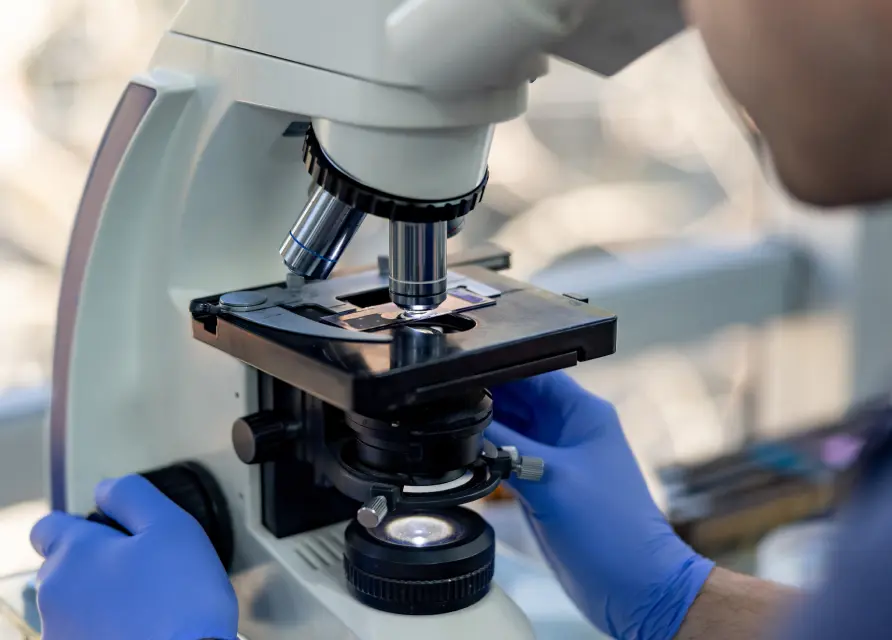
Besides sperm, semen often contains other microscopic cells called round cells. These may include immature sperm, cellular debris (“junk”), or white blood cells (WBCs). Round cells are typically reported as a concentration — how many (in millions) are present per cc (mL) of ejaculate. Round cell concentrations greater than 1 million per cc may be clinically significant and often warrant additional evaluation.
White Blood Cell Concentration (When round cells may signal infection/inflammation)
Of the round cells found in semen, elevated white blood cells are considered the most clinically significant. WBCs may be significant when more than 1 million per mL are present, but they cannot be reliably distinguished from debris and immature sperm without special staining. For that reason, if the round cell concentration exceeds 1 million per mL, a portion of the specimen is often stained to determine whether the increase is truly due to WBCs. A high WBC concentration can suggest infection or inflammation, both of which can negatively impact sperm quality and function. If WBCs are elevated, semen cultures are typically recommended on a subsequent specimen — because cultures must be performed as the first step on a sterile sample and cannot be run on the original specimen after other testing has occurred.
Viscosity (When semen stays too thick)
Immediately after ejaculation, semen is normally thick and clumpy, but when warmed to body temperature, natural enzymes break down proteins and the fluid typically becomes thinner and runny. Some men have semen that remains thick even after being at body temperature for more than one hour, which is called increased viscosity. Increased viscosity can make it harder for sperm to move through the seminal fluid and progress through the reproductive tract toward the egg. It can also be associated with infection, in which case cultures may be recommended. If viscosity is persistently high, it may be helpful to wash the sperm (separating sperm from the fluid) and use the processed sample for IUI (intrauterine insemination).
Specialized Semen Testing
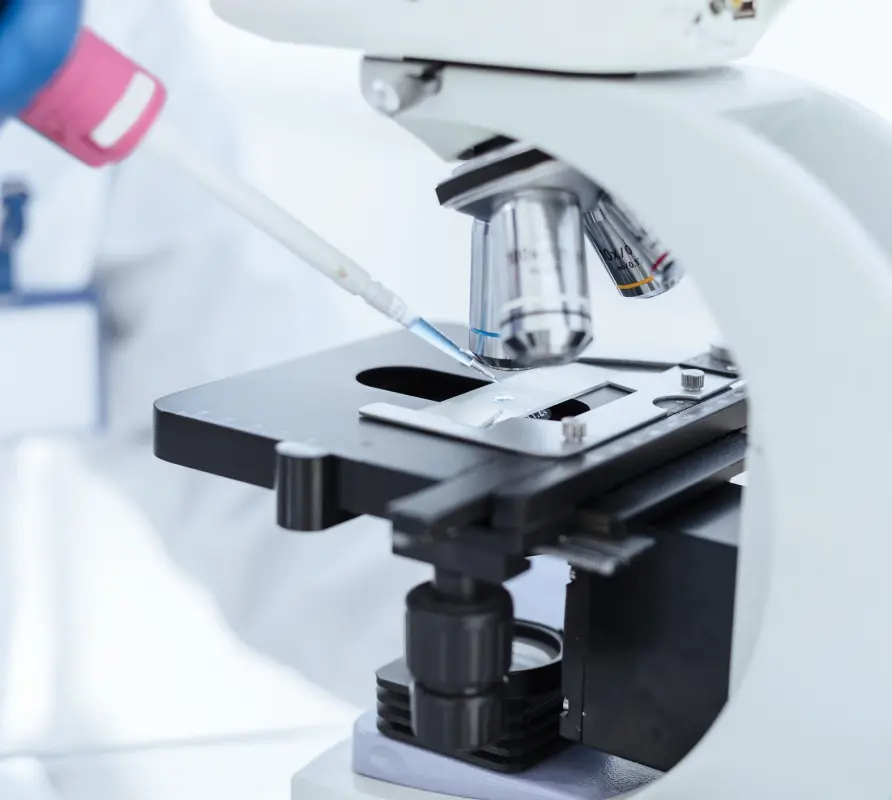
Maze Labs offers advanced specialized semen tests that go beyond standard semen analysis to support a precise male infertility evaluation, especially in cases of very low sperm count, no sperm seen, or abnormal motility. Because these add-on fertility tests can often be performed on the same semen specimen, we’re able to deliver more complete answers without unnecessary repeat collections. Under the leadership of Medical Director Michael Werner, MD, a board-certified, fellowship-trained urologist specializing in male infertility, Maze Labs identifies the right next-step testing and provides clinically actionable results for your physician. These specialized diagnostics can be essential for planning IUI, IVF, or ICSI and for determining whether cryopreservation (sperm freezing) may be needed. If you’re looking for expert-led fertility testing with in-depth capabilities for semen analysis in NYC, Maze Labs is built for complex cases.
Why specialized semen tests may be recommended
Spun Specimen (Finding sperm when the slide shows “none”)
Even when no sperm are seen on the initial test slide, the count may not truly be zero; there may be extremely low numbers of sperm in the ejaculate. To evaluate this, the specimen is centrifuged (spun down) to concentrate any sperm into a pellet at the bottom of the tube. That pellet is then meticulously examined to determine whether any sperm are present. This can be critical for determining whether conception is possible using advanced reproductive techniques. If sperm are found, cryopreservation (freezing) may be recommended as backup, especially before IVF, since men with very low counts may have no sperm available in a given sample, including on the day eggs are retrieved.
Viability (Are nonmoving sperm still alive?)
Sometimes sperm are alive but not moving, which matters greatly for treatment planning. A specialized staining technique can determine the percentage of living sperm and is commonly indicated when motility is below 30%. In cases of 0% motility, viability testing helps clarify whether sperm are dead or simply not moving — because living sperm can still be injected into an egg (ICSI). Standard viability staining performed on a semen analysis slide kills sperm in the process; however, additional techniques can be used later (when sperm are needed for injection) to identify living sperm without killing them. Initial viability testing helps predict how many living (even if nonmoving) sperm a man can be expected to have in future ejaculates.
Fructose (Production vs. blockage clues)
For men with no sperm or very low sperm in the ejaculate, it’s important to determine whether sperm are not being produced, or whether they are produced but blocked from entering the semen. A fructose test can help differentiate these possibilities. Fructose is produced by the seminal vesicles, and may be absent in men with missing or incomplete ducts, providing a clue that points toward certain anatomical causes of low or absent sperm in the ejaculate.
Post-Ejaculatory Urinalysis (PEU) (Detecting retrograde ejaculation)
Some men ejaculate all or part of their sperm backward into the bladder (retrograde ejaculation). This can be evaluated by having the patient ejaculate and then immediately urinate into a separate cup. The post-ejaculatory urine is then centrifuged to determine whether sperm are present. In some cases, medications may help convert retrograde ejaculation to forward ejaculation, depending on the underlying cause.
Preparation, Results & Next Steps
A detailed semen analysis helps determine whether male factor infertility is contributing to a couple’s difficulty conceiving and directly influences the most effective fertility treatment plan. At Maze Labs, our sophisticated male fertility testing can identify treatable causes of abnormal semen parameters — such as varicocele, infection, hormonal imbalance, seminal fluid abnormalities, ductal blockage, or erectile/ejaculatory issues — so treatment can be targeted and timely. Many men see meaningful improvement in their semen analysis after appropriate treatment, which may expand options and reduce the need for more invasive interventions. When semen findings are not reversible, results still guide next steps with IUI, IVF, or ICSI, and in some cases, sperm can be obtained through alternative methods even when no sperm is present in the ejaculate. Maze Labs provides clinically actionable semen analysis insights so you and your physician can move forward with clarity.
How semen analysis results affect treatment decisions
The purpose of advanced semen analysis testing is to identify whether male factors are contributing to infertility and what can be done about them. More than 50% of men with male factor infertility may have a treatable cause, including varicoceles (dilated scrotal veins), infections, hormonal abnormalities, seminal fluid issues, ductal blockages, and problems with erections or ejaculation. When these conditions are treated — through medication (such as hormones or antibiotics) or surgery (such as varicocelectomy, vasal reconstruction, or repair of a blocked ejaculatory duct) — many men experience significant improvement in semen analysis results. Even when conditions aren’t treatable, advanced reproductive techniques may still offer a path to pregnancy. Some men with no sperm in the ejaculate may still have living sperm obtained through other methods and use IVF/ICSI; if a man produces no sperm at all, the results help clarify the need to explore alternative family-building options.
Producing a specimen: why process matters
How long should I abstain before the test?
The standard abstinence period is 48 hours. Your results are compared to reference ranges based on the same time between ejaculations. Longer abstinence may increase concentration but reduce motility and forward progression (older sperm), while shorter abstinence may lower concentration but improve motility and progression (fresher sperm). For standardized, meaningful results, aim for 48 hours.
How do I make sure I get the whole specimen in the cup?
Since most men don’t ejaculate into a container regularly, it can be tricky. Open the cup before you begin — air exposure will not contaminate it. Producing the specimen while standing or sitting is usually easiest; if you’re lying down, the specimen may spill. If some is missed, you may carefully collect it from your body (leg, penis, abdomen), but do not collect it from the floor.
Where should I produce the specimen, and how do I transport it?
Ideally, produce the specimen at the lab performing the analysis. If you produce at home, choose a lab that is within one hour of your location. Keep the sample at body temperature during transport — do not refrigerate or heat it. A good method is keeping it in a shirt pocket with a jacket over it until delivery.
What if I can’t produce a specimen under pressure?
You’re not alone; this is very common. Options include:
- Reschedule: If you can’t produce today, you can try again another day; it often gets easier over time.
- If you can’t get a good erection: In physician-run labs (like ours), you can ask about short-term help from a medication such as Viagra, Cialis, Levitra, or Stendra when appropriate (these are generally safe unless medically contraindicated, such as with nitrate medications). They are not addictive and do not affect sperm or future erections. Sometimes, simply knowing help is available reduces stress.
- Partner support: If you and your partner are comfortable, some labs (like ours) may allow a partner to join you in the room — this helps some men and makes it harder for others.
What if I don’t masturbate or it conflicts with personal/religious beliefs?
For personal, cultural, or religious reasons, some men prefer not to masturbate. A common alternative is using a specialized sperm-safe condom during intercourse (not a standard condom, since some contain spermicides that harm sperm). After ejaculation, the condom is sealed and placed into a sterile cup and brought to the lab using the same temperature/time guidance. Some couples prefer to produce the specimen through intercourse at the lab, which is only possible if a private room is available. In some religious practices, a small pinhole may be used in the condom so conception remains possible with that ejaculation.
Why Choose Maze?
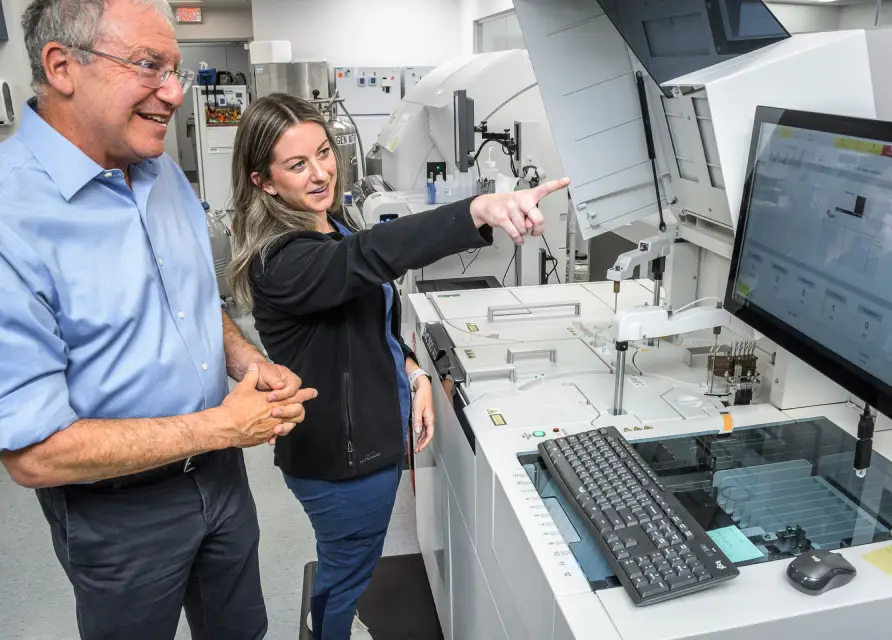
Why lab quality matters for semen analysis
Staff (Training + experience + volume)
Timing (Processed within one hour)
For accurate results, the specimen should be processed within one hour of collection. If processing is delayed, measurements — especially sperm motility — can become inaccurate. Ideally, the lab offers on-site collection so the sample can be analyzed immediately upon receipt.
On-site testing (Avoid “collection points” that ship samples out)
Some locations operate only as collection sites and ship specimens elsewhere for evaluation. If that happens, timing and handling can compromise accuracy. Always check the report to confirm when the specimen was actually processed, and ensure it was fully processed within one hour of when it was produced.
Thorough, complete, sophisticated protocols (Ability to add necessary testing)
During analysis, certain findings may indicate the need for additional tests. Many general labs cannot perform these tests, may not recognize when they’re needed, or may require a separate prescription and a new specimen. Ideally, your lab can complete both initial testing and appropriate follow-up testing on the same specimen with the flexibility and expertise to do it correctly.
Comfort and convenience (A better sample starts with less stress)
Being relaxed can help maximize results. The best experience is a comfortable, private collection room designed specifically for specimen production — ideally with a lock, appropriate materials, and no time pressure.
About Dr. Werner and Maze
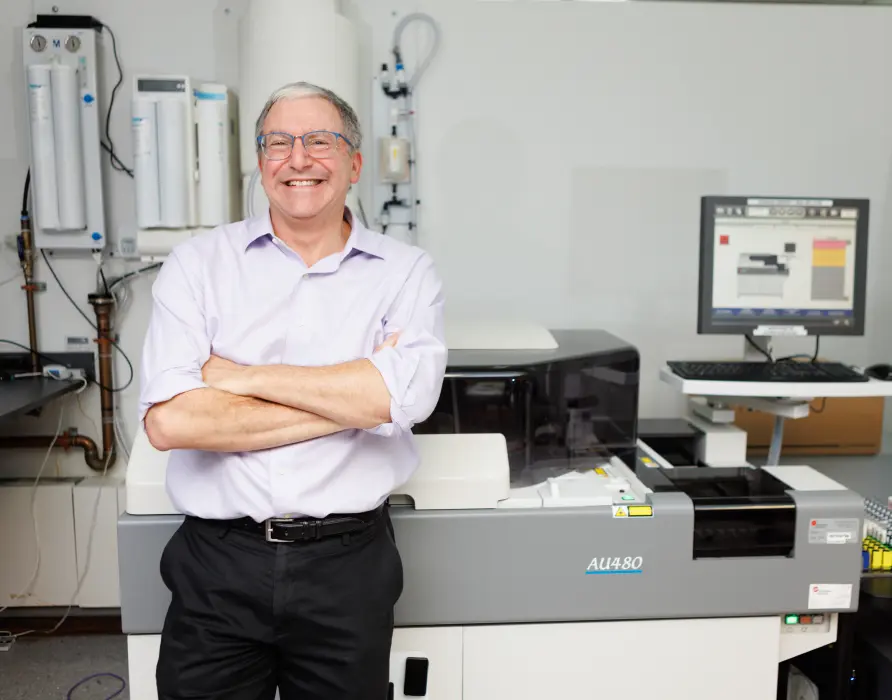
About Dr. Werner
With over 25 years in clinical practice, Dr. Michael Werner is a board-certified urologist specializing in sexual and reproductive medicine. His work is defined by thoughtful care, advanced treatment strategies, and a long-standing commitment to helping patients achieve better health and quality of life.
About Maze
Maze Sexual & Reproductive Health is a specialized medical practice dedicated to men’s health, women’s health, sexual medicine, and fertility care. Our approach emphasizes personalized care, clinical excellence, and innovative solutions that help patients feel informed, supported, and empowered.



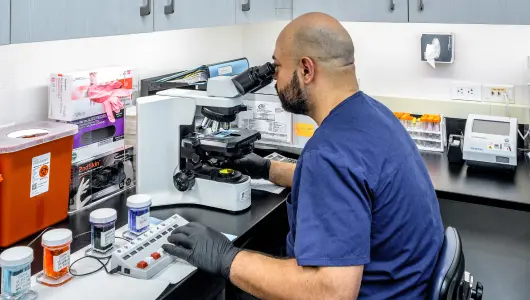







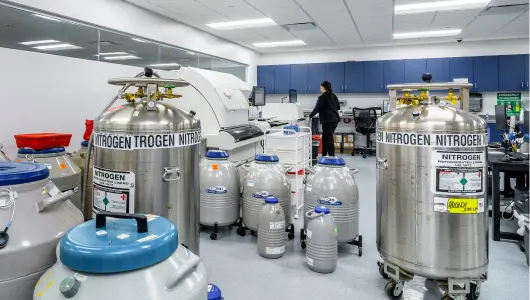


Maze facility
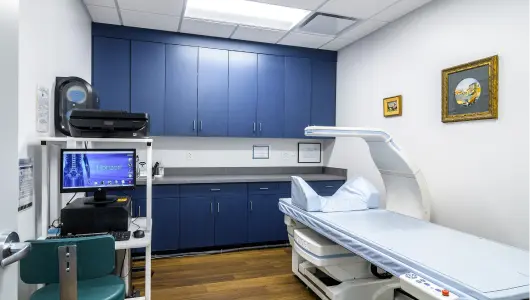
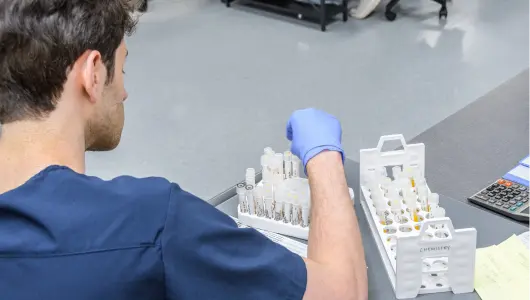
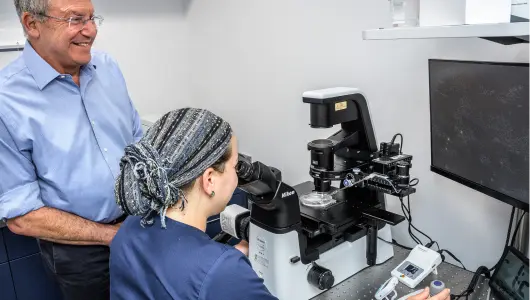
Maze’s modern facilities in Westchester, NY, and New York City are designed to provide expert care in a comfortable, private setting. Our on-site diagnostics, advanced therapies, and coordinated care allow patients to receive comprehensive services in one location.
Areas served
Serving Westchester County, New York City, Connecticut, and New Jersey, Maze supports patients locally and from out of state. Many seek our care for specialized expertise, with flexible options that include both in-person appointments and telemedicine consultations.

Patient Stories
Free consultation
I originally gave their NYC offices 1 star but after I posted that review, Dr. Werner called me, apologized and then spent almost an hour on the phone with me finding out in detail what my issues were with the clinic and my experience. At the end of our call he asked me to come in for a free consultation where
a) he showed me all the improvements they’d made; and
b) he discussed all the options I had.
Again, he promised to follow up in a month…and he did. So while I wish the entire experience had been excellent, his willingness to address the issues makes me willing to upgrade my review to 3 stars.
S.L, NY, Age 48
Well Organized
Everything was well organized, result was ready on time…and I think that the online service also helped save time.
K.A, CT, Age 43
This Is The Best Place To Go!
This is the best place to go! The staff is very nice. The price is also very affordable. Five stars!
K.Z, NY, Age 32
My experience with Dr. Werner and the entire staff was EXCELLENT!!
Everyone was very knowledgeable without making you feel intimidated. They took the time to explain everything and made sure that what we discussed was understood, they made sure I was comfortable with the testing, procedures and the treatment we decided on. I say we because they don’t force any one option, they make sure you are informed and educated about all options to best help you. The office staff are always friendly and helpful. Maze laboratories definitely makes an awkward, stressful and overwhelming situation much easier to talk about and understand.