
Sperm Mapping: No sperm count? Sperm Mapping will let you know for sure
Diagnosed with azoospermia (no sperm count)? In 43%–68% of azoospermic men, there may be a small number of sperm that’s produced in the testis but does not reach the semen. Sperm mapping can determine if there are sperm-producing areas in the testes and where they are. Maze Health specializes in sperm mapping for patients in Westchester, New York City, Connecticut, and New Jersey.
Maze’s Unique Approach: Sperm Mapping — Is It Right for Me?
Sperm mapping (also called testes mapping) is a targeted way to find out whether your testes are producing sperm, and if so, exactly where. The procedure uses multiple fine needle aspirations (FNA) taken in a systematic pattern across the testes. Those samples are then evaluated to determine whether any areas contain sperm.

This matters because the testes are often heterogeneous, meaning sperm production can be patchy. In many men, large portions of the testes may produce no sperm, while a small, harder-to-find area may still be producing some. Sperm mapping helps identify these “pockets” of production, which can guide the least invasive next step, often allowing targeted retrieval rather than jumping straight to open surgery.
Just as importantly, sperm mapping can provide clarity when sperm aren’t present. If no sperm are found during mapping, it strongly suggests there are no sperm-producing areas in the testes. That can spare you from undergoing an open testicular biopsy and can prevent a couple from moving forward with a fruitless IVF cycle based on hope alone.
Not located in New York? No problem. At Maze, we streamline the process so the consultation and procedure can be completed within two days, and results can be reviewed by phone. Contact us to arrange a free phone consultation or to schedule an appointment.
Background and Testing for Azoospermia
When a semen analysis shows no sperm in the ejaculate, it’s called azoospermia, and the next step is understanding why. Clinically, azoospermia falls into two broad categories: Obstructive azoospermia (OA), where sperm are produced but can’t get out due to a blockage, and nonobstructive azoospermia (NOA), where the issue is sperm production itself. At Maze, this distinction matters because it guides the most effective and least invasive testing pathway. For men with NOA, we first look to correct any treatable causes — such as varicoceles or hormonal abnormalities — and once sperm production has been optimized, the next step is determining whether sperm are present anywhere in the testes through approaches such as sperm mapping or microscopic testicular sperm extraction (micro-TESE).
Obstructive azoospermia (OA) occurs when a man can produce sperm but the sperm cannot get out. This can happen for several reasons, including a missing or blocked vas deferens, an obstruction at the level of the epididymis (the delicate tubular structure that drains the testes), or higher up in the more muscular vas deferens. Obstruction can also occur after procedures such as hernia or hydrocele repairs, where a mechanical blockage may develop. The key point with OA is that sperm production is often intact, and there are treatment options and retrieval strategies that can work well.
Nonobstructive Azoospermia (NOA) is different: it reflects a problem with sperm production. A man may produce no sperm at all, or may produce such low numbers that none are seen in the ejaculate. For men with NOA, the first step is to try to correct any underlying causes that may be limiting sperm production, such as varicoceles or hormonal abnormalities. Once sperm production has been maximized, the next step is to determine whether sperm exist anywhere in the testes. There are two main ways to approach this: sperm mapping and microscopic testicular sperm extraction (micro-TESE).
Microscopic Testicular Sperm Extraction (Micro-TESE)
Microscopic testicular sperm extraction (micro-TESE) is one of the primary surgical approaches used to find sperm in men with nonobstructive azoospermia (NOA). In this procedure, the patient is brought to the operating room, the scrotum and testes are opened, and an operating microscope is used to identify and sample multiple areas of testicular tissue. The goal is to locate tubules that appear different — suggesting a higher chance of containing sperm — and to evaluate tissue in real time with an embryologist searching for sperm. Because micro-TESE is typically performed alongside the female partner’s IVF cycle, any sperm found can be used immediately with ICSI, supporting embryo creation and transfer when fertilization occurs.
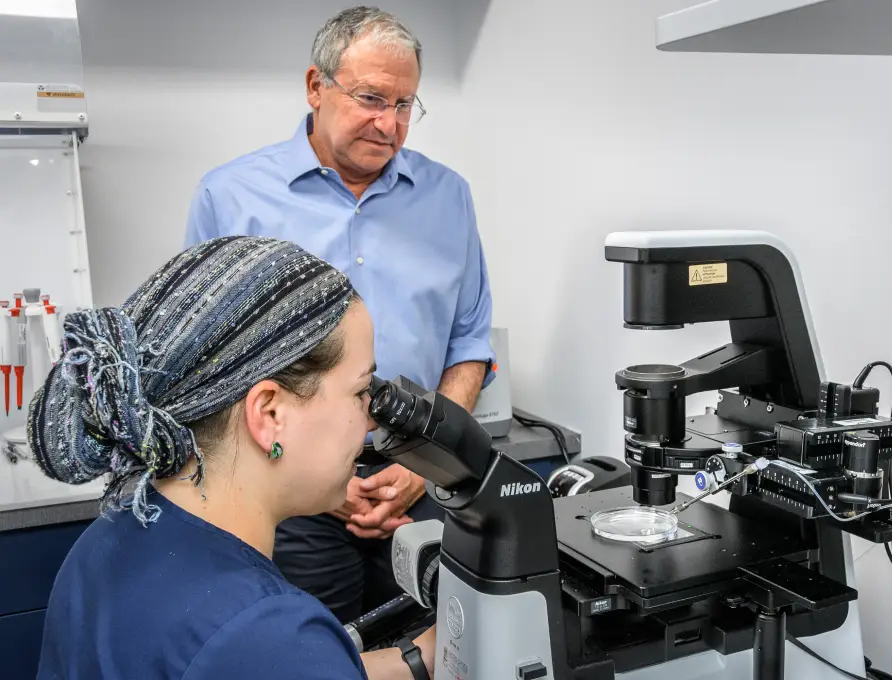
During micro-TESE, the patient is brought to the operating room and the scrotum is opened as well as the testes. Using an operating microscope, multiple areas are sampled. The hope is to find tubules that look different than the other tubules in the testes and are thus indicative of there being sperm. If no specific tubules that look like they would have sperm are found, then tubules are taken systematically throughout the testes to try to find areas of sperm production. Simultaneously, an embryologist looks through the tissue to try to determine whether or not there are any sperm there. If no sperm are easily found, the tissue is often then evaluated for several hours after that and processed to see even if a few sperm can be found. If they can, then these sperm are injected into the oocytes or eggs of their female partners.
In order for this technique to be used, simultaneously the patient’s partner must have undergone an in vitro fertilization cycle where she is stimulated by hormones to make a lot of eggs. These eggs are then aspirated from the ovaries with a needle through the vagina. If sperm are found, they are then injected into the eggs with a procedure called intracytoplasmic sperm injection (ICSI). If fertilization occurs, some embryos are then placed back into the uterus.
Today, this is the most sophisticated and most common way of treating couples where the man has nonobstructive azoospermia and who are interested in having a biological child. The advantages of this procedure are that the male patient undergoes only one procedure (the testicular sperm extraction), while his partner undergoes the IVF cycle and its preparation. The disadvantage is that if no sperm are found, then the IVF cycle was not necessary. Even if the couple is willing to use donor sperm, this can often be achieved with simple inseminations (placing sperm into the partner’s uterus) as opposed to the more complex IVF cycle.
Sperm Mapping (Testicular FNA Mapping)
Testes fine needle aspiration mapping is performed in the office and does not require an anesthesiologist or full operating room. After local anesthetic is given, the testes are pushed up against the skin and a grid is drawn on the skin with a marking pen. On average, 18 biopsies are done on each side. These biopsies are performed with a fine needle, which goes in and out of the testes multiple times.
The cells are then placed onto uniquely labeled slides. Only a lab with true expertise can evaluate each one of these slides, and a report on each slide is recorded. Together, these individual reports create a “sperm map” showing where sperm, if any, can be found. If sperm are identified, the report can guide the next step, often allowing targeted retrieval from specific locations and use with IVF and ICSI to attempt pregnancy.
There are several advantages to this procedure. It is less invasive than microscopic testicular sperm extraction, with less risk of testicular damage or changes in the ability of the testes to make testosterone. It is done in advance of an IVF cycle. If no sperm are found in any biopsies, it can be concluded that sperm would not be found at a microscopic testicular extraction — meaning there is no further chance of the man having a biological child. In that scenario, his partner does not need to go through an IVF cycle, and the couple can decide whether to use donor sperm, consider adoption, or remain childless.
If sperm are found, mapping can also improve the chances of success in a subsequent retrieval because specific areas of sperm production have been identified. One paper has shown that if sperm are found at only one or two sites during sperm mapping, 81% of the time sperm will be found during the retrieval procedure. If greater than two sites show sperm, sperm will be found 90% of the time during a subsequent procedure. If all biopsy sites are positive, 98% of the time sperm will be found at a later procedure. The main disadvantage is that if sperm are found, the man must undergo a second subsequent procedure to harvest sperm for injection into his partner’s oocytes. However, in men where no sperm are found, mapping can prevent the more invasive TESE, and the woman will not need IVF.
About Dr. Werner and Maze
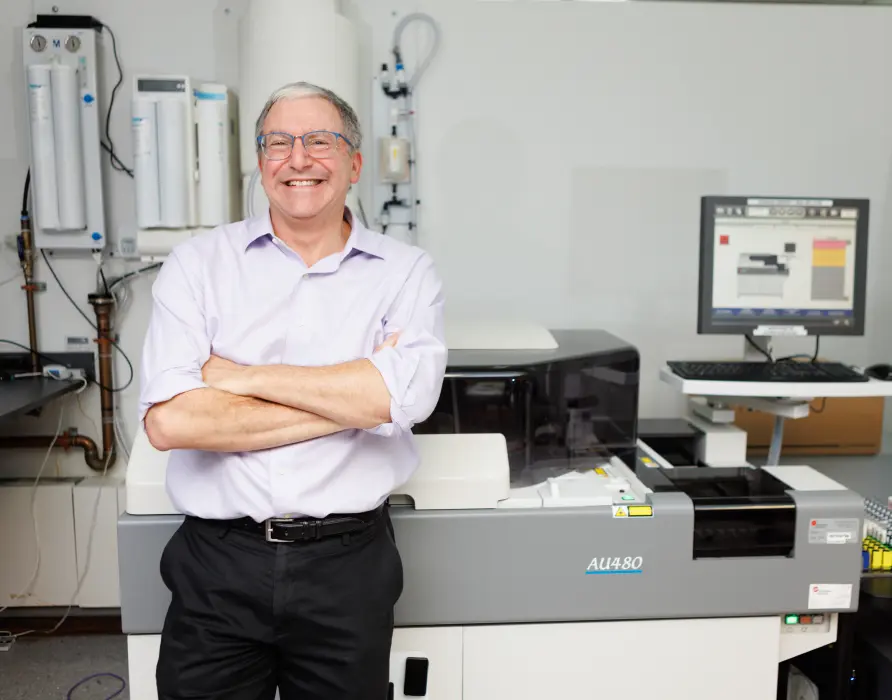
About Dr. Werner
With over 25 years in clinical practice, Dr. Michael Werner is a board-certified urologist specializing in sexual and reproductive medicine. His work is defined by thoughtful care, advanced treatment strategies, and a long-standing commitment to helping patients achieve better health and quality of life.
About Maze
Maze Sexual & Reproductive Health is a specialized medical practice dedicated to men’s health, women’s health, sexual medicine, and fertility care. Our approach emphasizes personalized care, clinical excellence, and innovative solutions that help patients feel informed, supported, and empowered.
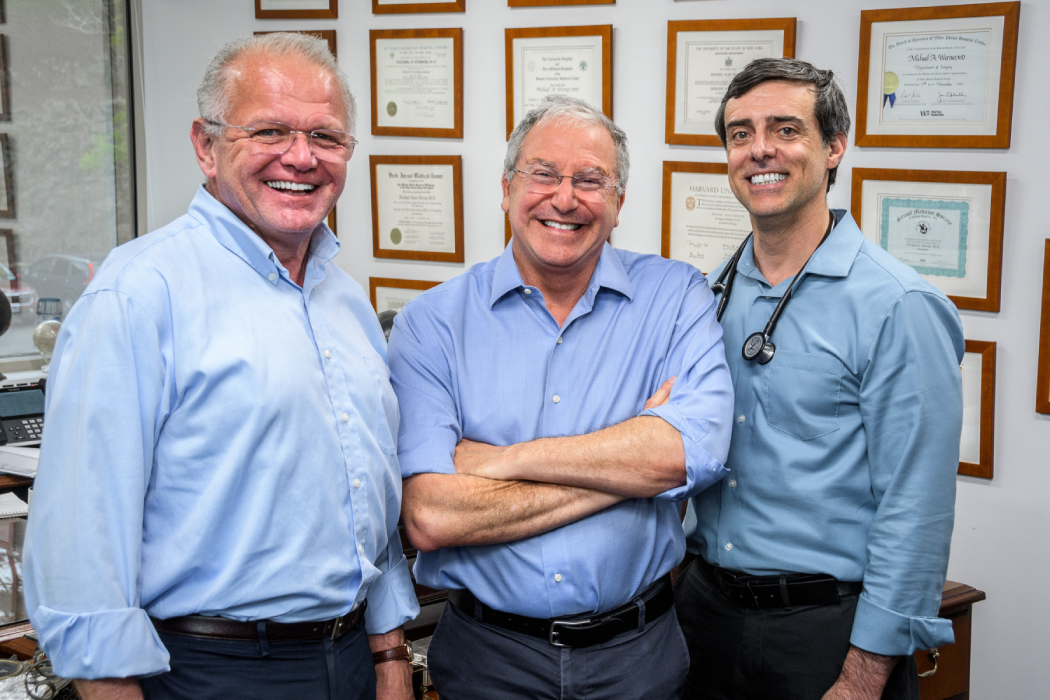


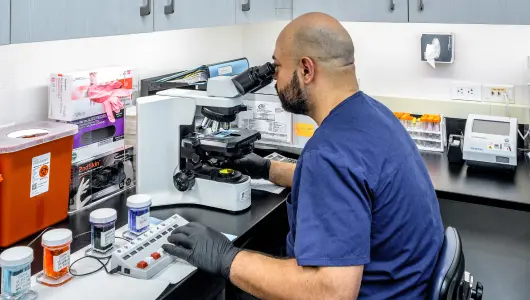
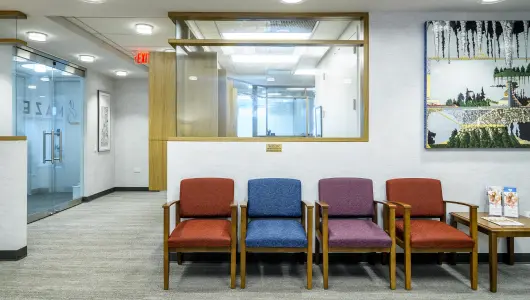




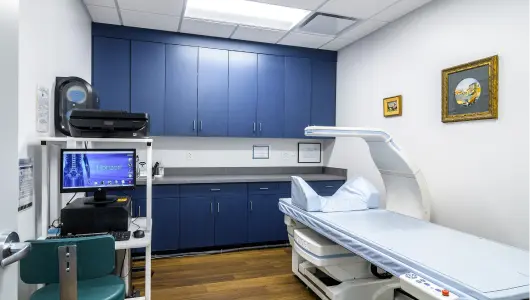
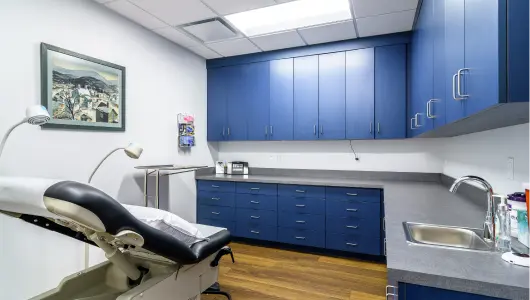

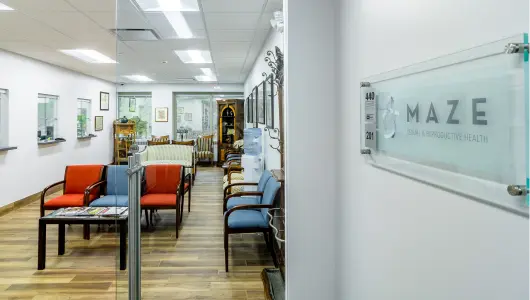
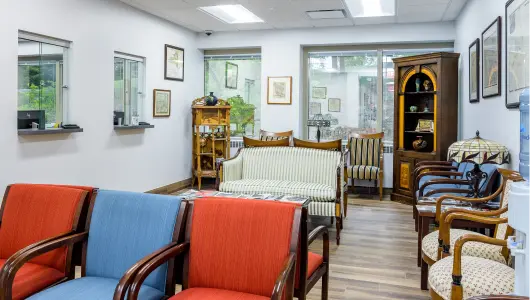
Maze facility
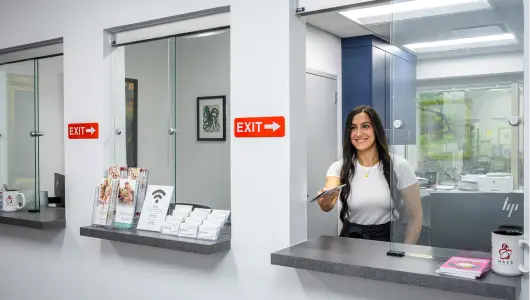
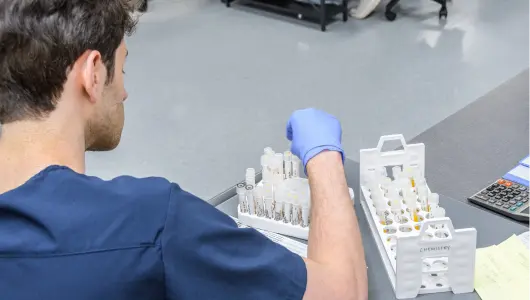
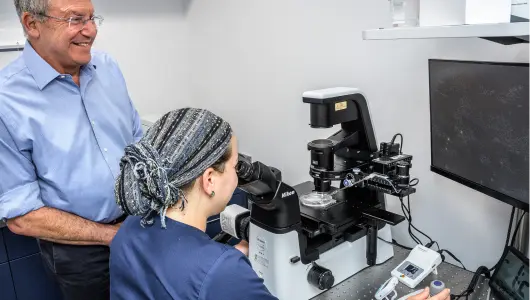
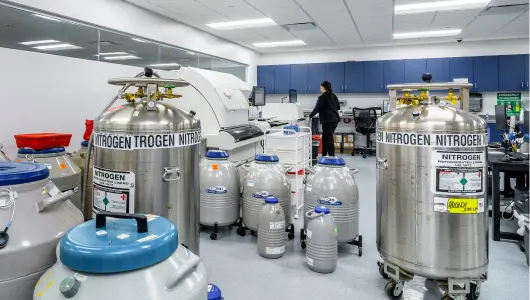
Maze’s modern facilities in Westchester, NY, and New York City are designed to provide expert care in a comfortable, private setting. Our on-site diagnostics, advanced therapies, and coordinated care allow patients to receive comprehensive services in one location.
Areas served
Serving Westchester County, New York City, Connecticut, and New Jersey, Maze supports patients locally and from out of state. Many seek our care for specialized expertise, with flexible options that include both in-person appointments and telemedicine consultations.

Patient Stories
Free consultation
I originally gave their NYC offices 1 star but after I posted that review, Dr. Werner called me, apologized and then spent almost an hour on the phone with me finding out in detail what my issues were with the clinic and my experience. At the end of our call he asked me to come in for a free consultation where
a) he showed me all the improvements they’d made; and
b) he discussed all the options I had.
Again, he promised to follow up in a month…and he did. So while I wish the entire experience had been excellent, his willingness to address the issues makes me willing to upgrade my review to 3 stars.
S.L, NY, Age 48
Well Organized
Everything was well organized, result was ready on time…and I think that the online service also helped save time.
K.A, CT, Age 43
This Is The Best Place To Go!
This is the best place to go! The staff is very nice. The price is also very affordable. Five stars!
K.Z, NY, Age 32
My experience with Dr. Werner and the entire staff was EXCELLENT!!
Everyone was very knowledgeable without making you feel intimidated. They took the time to explain everything and made sure that what we discussed was understood, they made sure I was comfortable with the testing, procedures and the treatment we decided on. I say we because they don’t force any one option, they make sure you are informed and educated about all options to best help you. The office staff are always friendly and helpful. Maze laboratories definitely makes an awkward, stressful and overwhelming situation much easier to talk about and understand.