
Male Infertility Treatment
Maze’s Unique Approach to Male Infertility

Male infertility contributes to approximately 60% of infertility cases, yet men are often evaluated too late in the process. At Maze Health, we begin comprehensive male fertility evaluation immediately — including semen analysis and hormonal testing — because sperm production takes about three months, and meaningful changes from male infertility treatment may not appear for four to six months. Delaying male evaluation only extends the timeline to pregnancy. By assessing and treating both partners at the same time, we reduce unnecessary delays and create a more efficient, coordinated fertility plan.
All evaluations are physician-directed and overseen by reproductive urologist Michael A. Werner, MD, ensuring expert interpretation, precise diagnosis, and medically guided treatment. If you are facing infertility in Westchester, NYC, Connecticut, or New Jersey, early male evaluation can make a measurable difference.
Causes of Male Infertility

At Maze Health, we perform a comprehensive male fertility evaluation to identify the underlying cause, because many forms of male infertility are treatable. And even in complex cases, advanced reproductive techniques may allow pregnancy to be achieved.
Varicoceles (Dilated Scrotal Veins)
Varicoceles are one of the most common and correctable causes of male infertility. Similar to varicose veins in the legs, varicoceles occur when veins in the scrotum become dilated due to improper blood drainage. This pooling of blood raises the temperature in the scrotum, which can negatively impact sperm production and quality and contribute to male infertility symptoms such as abnormal semen analysis results.
Microscopic subinguinal varicocelectomy is the preferred surgical treatment and an important component of male infertility treatment when a varicocele is identified as the underlying cause. This outpatient procedure preserves the arterial supply and lymphatic drainage while repairing the dilated veins. The incision is made just above and to the side of the penis, avoiding abdominal muscles and minimizing post-operative pain. In many men, correcting a varicocele improves sperm parameters.
Seminal Fluid Abnormalities
In some men, semen may be unusually thick (viscous), making it difficult for sperm to move effectively through the female reproductive tract. Reduced sperm motility in thick seminal fluid can limit the ability of sperm to reach and fertilize the egg.
One treatment option within a broader men infertility treatment strategy is sperm washing, where motile sperm are separated from non-moving sperm and debris, processed, and placed directly into the uterus through intrauterine insemination (IUI). This approach bypasses barriers created by poor seminal fluid characteristics.
Ductal System Problems (Sperm Transport Obstruction)
Sperm must travel through a network of ducts, including the vas deferens and ejaculatory ducts, to exit the body. Some men are born missing part or all of these ducts. Others develop obstructions due to infection, prior surgery (such as hernia or hydrocele repair), or scar tissue.
If sperm cannot pass through these ducts, fertility is impaired even if sperm production is normal. In these cases, male infertility treatment may involve surgical repair of the obstruction. If repair is not possible, sperm can often be surgically retrieved directly from the testes or epididymis and used with advanced reproductive techniques such as in vitro fertilization (IVF) with intracytoplasmic sperm injection (ICSI), which involves injecting a single sperm directly into the egg.
Immunological Infertility (Anti-Sperm Antibodies)
Some men develop antibodies against their own sperm. This may occur after trauma, infection, varicoceles, or surgery, though sometimes the cause is unknown.
These antibodies may interfere with sperm movement, penetration of cervical mucus, binding to the egg, or fusion with the egg. Treatment options are limited and sometimes controversial due to side effects. In many cases, IUI or IVF with ICSI can bypass the antibody-related barriers.
Erectile and Ejaculatory Dysfunction
Approximately 5% of infertility cases involve issues related to sexual function. These may include difficulty achieving or maintaining an erection, premature ejaculation, absence of ejaculation, retrograde ejaculation (where sperm travels backward into the bladder), or infrequent intercourse.
Interestingly, infrequency of intercourse is one of the most common contributors. Studies show that couples having intercourse four times per week conceive significantly more often than those having intercourse once per week. Many sexual function-related fertility challenges can be addressed with medical treatment, behavioral adjustments, or assisted approaches as part of a comprehensive men infertility treatment plan.
Testicular Failure (Impaired Sperm Production)
Testicular failure occurs when the sperm-producing portion of the testes cannot produce adequate numbers of mature sperm. Causes include genetic abnormalities, hormonal deficiencies, varicoceles, or intrinsic defects in sperm development.
Even when sperm counts are extremely low, advanced male infertility treatment options may allow sperm to be retrieved and used with advanced reproductive technologies such as IVF with ICSI.
Cryptorchidism (Undescended Testes)
Cryptorchidism occurs when one or both testes fail to descend into the scrotum during infancy. Because the testes are temperature-sensitive, prolonged exposure to body heat can impair sperm production and increase malignancy risk.
Approximately 19% of men with one undescended testis experience fertility issues. Surgical correction is typically recommended around one year of age if spontaneous descent does not occur. Early intervention can reduce long-term reproductive risks and may lessen the need for future male infertility treatment.
Medications and Drug Effects
Certain medications can impair sperm production or function. These include antifungals (ketoconazole), anti-hypertensives (spironolactone, calcium channel blockers), gout medications (allopurinol, colchicine), certain antibiotics, methotrexate, and cimetidine.
Some psychiatric medications and blood pressure medications may interfere with ejaculation and contribute to male infertility symptoms.
Anabolic steroids and external testosterone are particularly important causes of infertility. These suppress the body’s natural hormone production required for sperm production and can lead to severely diminished sperm counts or azoospermia.
Hormonal Abnormalities
Sperm production depends on stimulation from pituitary hormones. If these hormones are absent or severely decreased, sperm production declines, sometimes leading to subtle or significant male infertility symptoms.
Blood testing is essential to evaluate hormonal status. Hormonal abnormalities may indicate underlying medical conditions and guide treatment decisions. Men using testosterone or anabolic steroids for bodybuilding suppress natural sperm production pathways.
Infections of the Reproductive Tract
Infections such as prostatitis, epididymitis, or orchitis may impair fertility. Bacterial or viral infections can block sperm ducts or negatively impact sperm production and function.
Elevated white blood cells in semen may indicate infection and are sometimes identified during evaluation for male infertility symptoms. Cultures may be performed, including testing for asymptomatic sexually transmitted infections such as mycoplasma, ureaplasma, and chlamydia. Treatment is individualized and used judiciously.
Genetic Abnormalities
Genetic causes of male infertility are an area of active research. Testing may include chromosome analysis, evaluation for Y-chromosome microdeletions, and screening for cystic fibrosis gene mutations.
Certain genetic causes of azoospermia can be passed to male offspring.
Lifestyle Factors (Smoking, Drugs, Alcohol, Heat, Lubricants)
Lifestyle plays a significant role in sperm health.
Cigarette smoking is associated with a 23% decrease in sperm concentration and a 13% decrease in sperm motility. Recreational drugs such as marijuana and cocaine can impair sperm count, motility, morphology, and hormone levels. Anabolic steroids can suppress sperm production, sometimes permanently.
Excessive alcohol consumption disrupts hormones and sperm production. Occupational heat exposure and toxins may also negatively affect fertility.
Many common vaginal lubricants are toxic to sperm. Couples trying to conceive should use fertility-friendly lubricants as part of a broader men infertility treatment strategy focused on optimizing natural conception.
Male Infertility Testing

A comprehensive semen analysis is the most important first step in evaluating male infertility. Because sperm production, sperm movement, seminal fluid quality, hormones, infections, and ductal function can all impact fertility, proper testing must go beyond a basic count. At Maze Health, semen analysis is physician-directed and performed with advanced laboratory protocols to identify male factor infertility early — helping reduce delays and avoid unnecessary interventions for the female partner.
Standard Semen Analysis
- Concentration (Sperm Count): Number of sperm per milliliter of semen
- Motility: Percentage of sperm that are moving
- Morphology: Shape and structural appearance of sperm
- Volume: Total ejaculate volume
- Total Motile Count: Total number of moving sperm in the ejaculate
- Seminal Fluid Characteristics: Color, viscosity, and liquefaction time
There is no single “magic number” that guarantees pregnancy. Some men with low counts conceive, while others with normal parameters experience difficulty. That is why results must be interpreted by an experienced reproductive specialist.
When needed, we perform advanced semen testing, including:
- Forward Progression: Measures how effectively sperm move, not just whether they move
- Kruger Strict Morphology: High-magnification evaluation of sperm structure
- Anti-Sperm Antibody Testing: Detects immune-related fertility issues
- White Blood Cell Analysis: Identifies possible infection or inflammation
- Viability Testing: Determines whether nonmoving sperm are alive
- Spun Specimen Analysis: Detects very low numbers of sperm not visible on standard testing
- Fructose Testing: Helps determine whether a blockage may be present
- Post-Ejaculatory Urinalysis: Evaluates retrograde ejaculation
Because semen analysis is highly technical and not automated, expertise matters. Specimens must be processed within one hour for accurate motility assessment, and follow-up testing should be available on the same specimen when indicated. At Maze, all semen testing is performed on site with physician oversight to ensure precise diagnosis and a clear, medically guided treatment plan.
Male Infertility Procedures

Treatable Causes of Male Infertility
Many cases of male infertility can be improved through:
- Hormonal therapy to correct endocrine abnormalities
- Antibiotics for infection or inflammation
- Varicocelectomy or microsurgical repair of dilated scrotal veins
- Vasal reconstruction or repair of ductal blockages
- Treatment for ejaculatory or erectile dysfunction
Extended Sperm Search & Microfreeze (ESSM)
For men in whom no sperm are seen on standard semen analysis, ESSM may identify rare sperm using advanced laboratory processing. In approximately 44% of cases previously diagnosed as having no sperm, ESSM can locate even a single viable sperm.
A specially trained andrologist processes the entire specimen, dividing it into extremely small fractions and examining it for hours under high magnification. If sperm are found, they are isolated and frozen in a minute volume of fluid, allowing precise identification and use later during IVF with ICSI. This technique can make pregnancy possible even when sperm numbers are extraordinarily low.
Sperm Mapping & Micro-TESE
When sperm are not found in the ejaculate — even after hormonal optimization or ESSM — sperm may still be produced within small areas of the testes. Studies show that 43–68% of men with azoospermia may have isolated pockets of sperm production.
Sperm Mapping is an in-office diagnostic procedure that identifies whether sperm-producing areas exist within the testes and precisely where they are located. If sperm are detected, the couple can proceed with IVF and a surgical retrieval procedure called micro-TESE (microsurgical testicular sperm extraction), which allows direct harvesting of sperm from these areas for use with ICSI.
About Dr. Werner and Maze
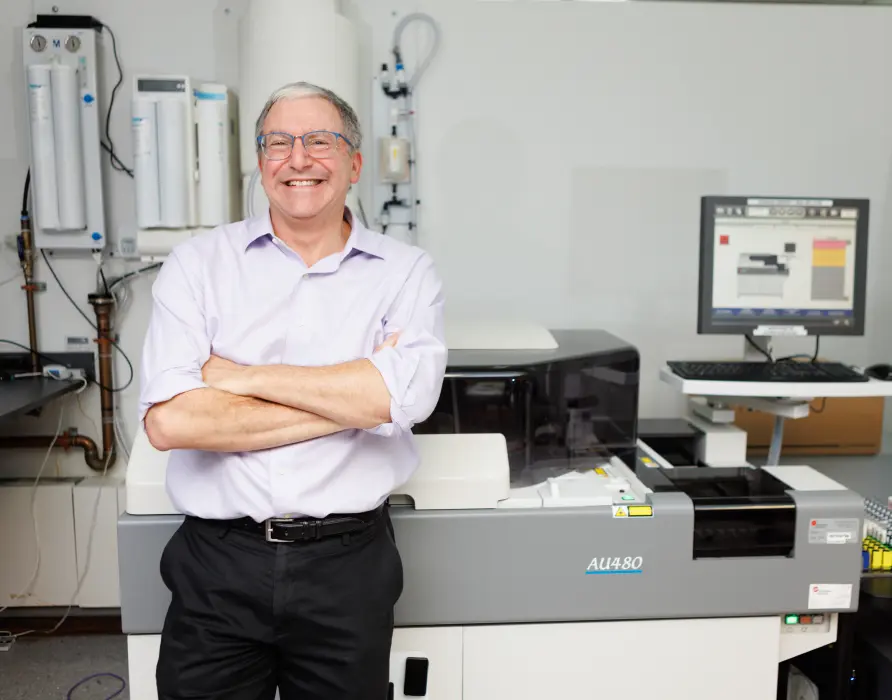
About Dr. Werner
With over 25 years in clinical practice, Dr. Michael Werner is a board-certified urologist specializing in sexual and reproductive medicine. His work is defined by thoughtful care, advanced treatment strategies, and a long-standing commitment to helping patients achieve better health and quality of life.
About Maze
Maze Sexual & Reproductive Health is a specialized medical practice dedicated to men’s health, women’s health, sexual medicine, and fertility care. Our approach emphasizes personalized care, clinical excellence, and innovative solutions that help patients feel informed, supported, and empowered.



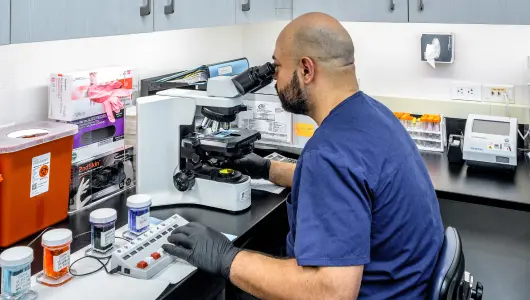





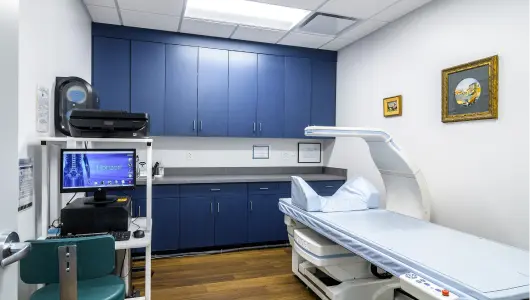



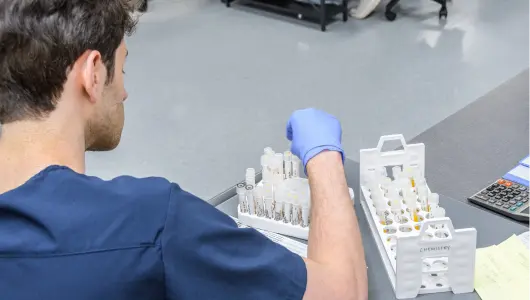
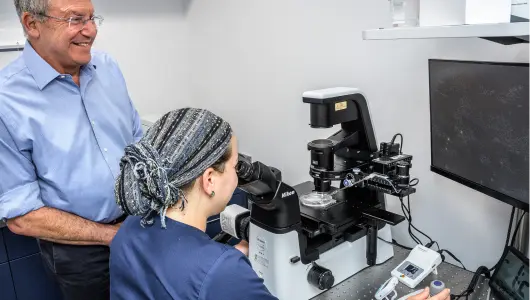
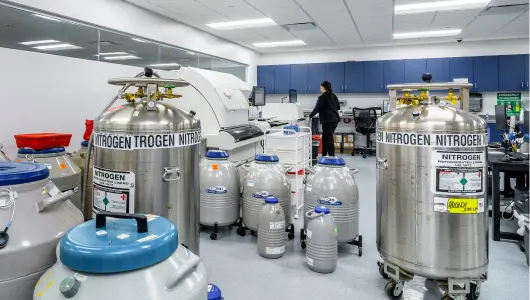


Maze facility
Maze’s modern facilities in Westchester, NY, and New York City are designed to provide expert care in a comfortable, private setting. Our on-site diagnostics, advanced therapies, and coordinated care allow patients to receive comprehensive services in one location.
Areas served
Serving Westchester County, New York City, Connecticut, and New Jersey, Maze supports patients locally and from out of state. Many seek our care for specialized expertise, with flexible options that include both in-person appointments and telemedicine consultations.

Patient Stories
Free consultation
I originally gave their NYC offices 1 star but after I posted that review, Dr. Werner called me, apologized and then spent almost an hour on the phone with me finding out in detail what my issues were with the clinic and my experience. At the end of our call he asked me to come in for a free consultation where
a) he showed me all the improvements they’d made; and
b) he discussed all the options I had.
Again, he promised to follow up in a month…and he did. So while I wish the entire experience had been excellent, his willingness to address the issues makes me willing to upgrade my review to 3 stars.
S.L, NY, Age 48
Well Organized
Everything was well organized, result was ready on time…and I think that the online service also helped save time.
K.A, CT, Age 43
This Is The Best Place To Go!
This is the best place to go! The staff is very nice. The price is also very affordable. Five stars!
K.Z, NY, Age 32
My experience with Dr. Werner and the entire staff was EXCELLENT!!
Everyone was very knowledgeable without making you feel intimidated. They took the time to explain everything and made sure that what we discussed was understood, they made sure I was comfortable with the testing, procedures and the treatment we decided on. I say we because they don’t force any one option, they make sure you are informed and educated about all options to best help you. The office staff are always friendly and helpful. Maze laboratories definitely makes an awkward, stressful and overwhelming situation much easier to talk about and understand.